

Essential Baby Gear for New Parents: 2026 Guide
Table of Contents
- When to Start Buying Baby Gear
- Your Baby Registry Checklist: Essentials vs. Nice-to-Haves
- Newborn Sleep Safety Standards Every Parent Must Know
- How to Choose a Safe Car Seat and Travel System
- Essential Baby Gear for Feeding, Diapering, and Daily Care
- Essential Baby Gear for Carrying, Soothing, and Play
- Eco-Friendly and Small-Space Solutions for Modern Families
- Conclusion
Last Updated: August 13, 2026
Becoming a parent means facing a tidal wave of product recommendations and well-meaning advice. The Tender Tots & Wellness team has spent considerable time helping new families cut through the noise: the essential baby gear for new parents is far simpler than the baby industry wants you to believe. Most parents overbuy, then spend months tripping over things they never used. This guide strips it back to what genuinely matters, organized by when you need it, how much to spend, and how to make smart choices for your space and your values.
When to Start Buying Baby Gear
The best time to start building your baby gear collection is around week 28 to 32 of pregnancy. Before that point, you have limited information about your baby's size and your postpartum preferences. After week 32, you risk running out of time to research, order, and assemble.
What to Buy First vs. What Can Wait
A common mistake new parents make is treating every item on a registry list as equally urgent. They are not.
Buy before baby arrives:
- Infant car seat (non-negotiable: you cannot leave the hospital without one)
- Safe sleep setup: firm crib mattress, fitted sheets, and a Consumer Product Safety Commission (CPSC)-compliant sleep space
- A week's worth of newborn and 0-3 month clothing
- Diapers, wipes, and a changing pad
- Feeding supplies (breast pump, nursing pillow, or formula equipment depending on your plan)
- Baby carrier or wrap
Buy after baby arrives (or skip entirely):

- Wipe warmer, bottle sterilizer, elaborate nursery furniture sets, baby food makers, infant shoes
The rule of thumb: if your baby cannot use it in the first four weeks, it can wait. Many parents find they never buy certain items at all once the newborn haze clears.
Your Baby Registry Checklist: Essentials vs. Nice-to-Haves
A well-organized baby registry checklist separates what keeps your baby safe and fed from what makes life marginally easier.
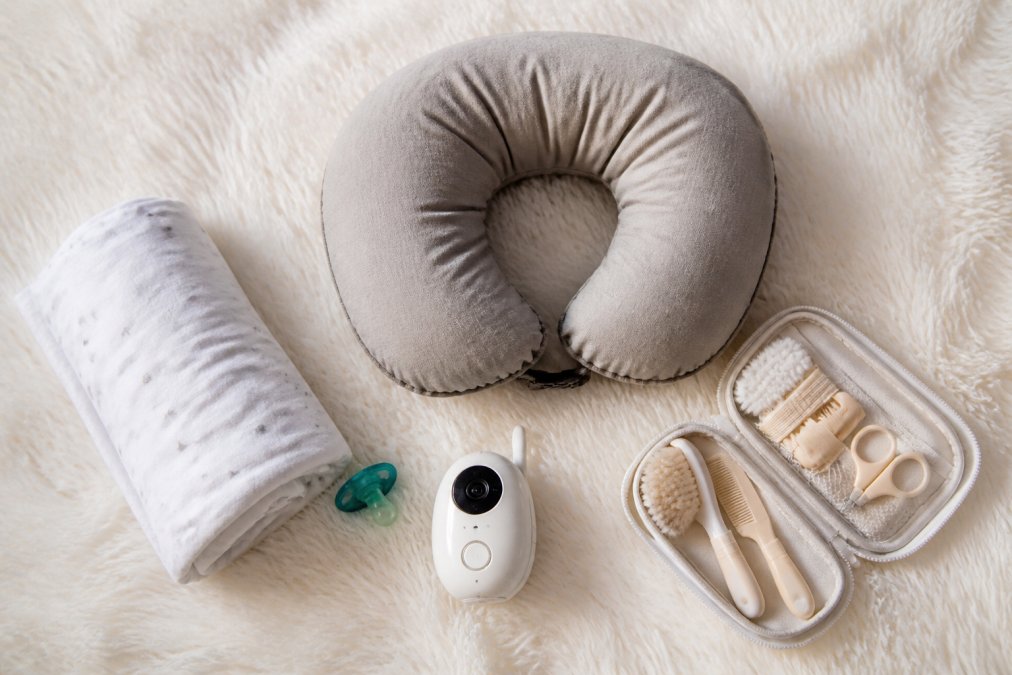
| Category | Essential | Nice-to-Have |
|---|---|---|
| Sleep | Firm crib mattress, fitted sheets | Bassinet, white noise machine |
| Feeding | Nursing pillow, breast pump or formula | Bottle warmer, formula mixer |
| Diapering | Changing pad, diapers, wipes, diaper rash cream | Wipe warmer, diaper pail |
| Clothing | Onesies, sleepers, swaddle blankets | Shoes, hats, novelty outfits |
| Health | Rectal thermometer, nasal aspirator, nail clippers | Full grooming kit, humidifier |
| Soothing | Pacifier, baby carrier | Bouncy seat, swing |
| Monitoring | Baby monitor | Smart monitor with breathing sensor |
| Transport | Infant car seat | Full travel system, stroller accessories |
Budget-Conscious vs. Luxury Tier Picks
The biggest myth in the baby gear space is that spending more means safer or better. For regulated items like car seats and crib mattresses, a mid-range option that meets federal safety standards performs identically to a luxury version.
Where budget matters less: Car seats, crib mattresses, and thermometers are regulated products. A less expensive option that passes CPSC standards is as safe as one that costs three times more.
Where quality pays off: Carriers, diaper bags, and feeding tools get daily use for months or years. Spending more on a well-constructed carrier or genuinely waterproof diaper bag saves you money on replacements. The Large Capacity Mummy Baby Backpack at $69.99 is a good example: insulated, waterproof, and built for daily use without the luxury price tag.

Newborn Sleep Safety Standards Every Parent Must Know
Safe sleep is the single area where cutting corners has real consequences. The American Academy of Pediatrics (AAP) publishes updated safe sleep guidelines: babies should sleep alone, on their back, on a firm, flat surface in a safety-approved sleep space.
According to the American Academy of Pediatrics safe sleep guidelines, the safe sleep environment requires a firm, flat crib or bassinet mattress with a tight-fitting sheet and no pillows, bumpers, blankets, or stuffed animals. This is not a preference, soft surfaces and loose items are a documented risk factor for sleep-related infant deaths.
The non-negotiables for a safe sleep environment:
- Firm, flat crib or bassinet mattress with a tight-fitting sheet
- No pillows, bumpers, blankets, or stuffed animals in the sleep space
- Baby always placed on their back
- Room-sharing (not bed-sharing) for at least the first six months, per AAP guidance
- Sleep space meets current CPSC safety standards
A white noise machine placed at a safe distance and a baby monitor for room-sharing setups are reasonable additions once the core sleep setup is in place.
How to Choose a Safe Car Seat and Travel System
All car seats sold in the United States must meet Federal Motor Vehicle Safety Standards (FMVSS), so baseline safety is consistent across price points. The real decision is about fit: fit for your car, your baby's size, and your lifestyle.
According to the National Highway Traffic Safety Administration's car seat guidance, infant car seats accommodate babies up to 30-35 pounds, while convertible seats grow with the child from infancy through toddlerhood.
Infant car seat: Easiest for newborns, clicks in and out of a base, works with most travel systems. Shorter useful life (typically 12-24 months).
Convertible car seat: Rear-facing for infants, forward-facing for toddlers. More value over time, but heavier and not designed to click into a stroller.
Travel system: A paired infant car seat and stroller that click together. Convenient for seamless transitions from car to sidewalk, but bulkier. Test the stroller's fold mechanism in person, one that cannot collapse with one hand while holding a baby is not practical.
Essential Baby Gear for Feeding, Diapering, and Daily Care
Daily care is where the volume of gear accumulates fastest. The categories below cover what you actually need.
Feeding and Nursing Must-Haves
Feeding supplies depend on whether you plan to breastfeed, formula feed, or both. A breast pump is essential for nursing parents; under the Affordable Care Act, most insurance plans cover a breast pump at no cost, so check with your insurer first.
A nursing pillow makes a genuine difference for positioning during long feeding sessions and supports postpartum recovery. Formula-feeding families need bottles, a formula mixer or pitcher, and a bottle brush. The 360° Spill-Proof Baby Bowl from Tender Tots & Wellness ($30.99) is worth adding once solids start around six months.
Diapering and Changing Supplies
A firm changing pad, diapers in newborn and size 1, fragrance-free wipes, and reliable diaper rash cream are core essentials. A poorly designed diaper bag creates daily frustration. The Large Capacity Mummy Baby Backpack solves common complaints: insulated compartments for bottles, waterproof exterior, and enough capacity for a full day out.
Health and Grooming Kits
A rectal thermometer is the most accurate way to take a newborn's temperature and is recommended by pediatricians for infants under three months. A nasal aspirator and nail clippers round out the minimum health kit. A full grooming kit is a nice-to-have; buy the three essentials first.
Essential Baby Gear for Carrying, Soothing, and Play
Baby Carriers and Wraps
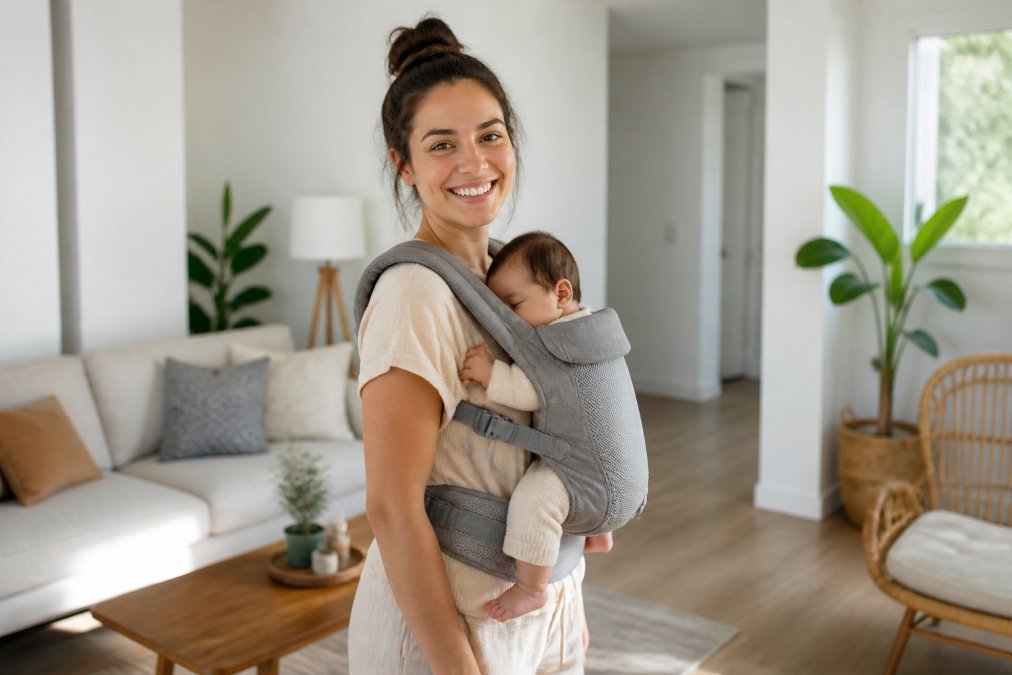
A baby carrier is one of the highest-value items on any essential baby gear list. Babywearing supports infant development, keeps your hands free, and is consistently associated with calmer babies in the early months. The carrier must position your baby's hips in an M-shape (knees higher than the bottom) to protect developing hip joints.
The Double Shoulder Baby Carrier from Tender Tots & Wellness ($39.99) is designed with ergonomic positioning for newborns through toddlers, distributing weight across both shoulders to reduce parental back strain. For parents in small spaces where a swing would dominate the room, a carrier is the most space-efficient soothing tool available.
According to the Hip Dysplasia Institute's babywearing guidelines, carriers that position babies with spread-squat hip positioning are considered hip-healthy and preferred over carriers that allow the baby's legs to dangle straight down.
Bouncers, Swings, and Activity Centers
A bouncy seat or infant swing gives you a safe place to set baby down while you eat, shower, or function. These are genuine quality-of-life items. Swings are bulkier and more expensive, but many babies who resist a bouncy seat will settle in a swing. Activity gyms become relevant around six to eight weeks when babies begin tracking objects and reaching.
For small-space living, a compact bouncy seat that folds flat is far more practical than a full-size swing. Prioritize one soothing item over multiple options.
Eco-Friendly and Small-Space Solutions for Modern Families
The conventional baby gear market skews toward big, plastic, and disposable. There is a better approach for families who care about sustainability or lack room for bulky gear.
Eco-friendly swaps that do not compromise function:
- Organic cotton onesies and swaddle blankets reduce waste compared to synthetic alternatives. The Baby Cotton Onesie from Tender Tots & Wellness uses 95% cotton construction, and the Pure Cotton Newborn Gift Set is made from Class A infant-grade cotton, both priced at $29.99.
- Cloth diapering systems reduce landfill waste significantly.
- Wooden or natural-material activity gym frames outlast plastic versions.
Small-space solutions:

- A bedside bassinet eliminates the need for a separate nursery in the first months.
- A wall-mounted changing station replaces a full changing table.
- A baby carrier replaces a swing or bouncy seat when floor space is limited.
- Multi-function gear reduces the total item count.
The most sustainable choice is almost always the one you use for longer. Buy fewer, better items rather than a full set of single-use products. Prioritize washable fabrics, wipeable surfaces, and dishwasher-safe feeding equipment to reduce daily friction.
New parents face an overwhelming gear landscape. The hardest part is knowing what actually matters. Tender Tots & Wellness curates essential baby gear with a clear focus on quality, function, and fair pricing, so you are not paying for marketing. From the ergonomic Double Shoulder Baby Carrier to breathable cotton newborn clothing and a genuinely functional diaper bag, every product is chosen to fit a modern family's real needs. Shop now and build a registry that works for your space, your budget, and your values.
Frequently Asked Questions
What are the most essential baby items for first-time parents?
The true essentials cover five categories: safe sleep (firm crib mattress, fitted sheets, swaddle blankets), feeding (nursing pillow, breast pump or formula supplies, burp cloths), diapering (changing pad, diapers, diaper rash cream), health (rectal thermometer, grooming kit), and transport (infant car seat). Everything else, from bouncers to activity gyms, is helpful but not immediately critical. Build your baby registry checklist around these categories first, then add nice-to-haves as your budget allows.
When should I start buying essential baby gear?
Most parents start purchasing essential baby gear between weeks 28 and 32 of pregnancy. This window gives you time to research, compare options, and handle returns without the pressure of an imminent due date. Prioritize the car seat, sleep setup, and feeding supplies first since those are needed from day one. Items like bouncers, activity gyms, and larger gear can wait until after the baby arrives, when you have a clearer sense of your space and your newborn's temperament.
How do I prioritize my baby registry checklist?
Sort every item into three buckets: need before birth, need in the first month, and nice-to-have later. The car seat and safe sleep setup are non-negotiable before birth. Feeding supplies, a changing pad, diapers, and a baby carrier belong in the first-month column. Swings, bouncers, and an activity gym can be added after you see what your baby actually responds to. This approach keeps your registry focused and helps family members gift you things you will genuinely use.
What are the current safe sleep guidelines for newborns?
The American Academy of Pediatrics recommends placing babies on their backs on a firm, flat sleep surface inside a safety-approved crib, bassinet, or play yard. The sleep area should be free of loose bedding, pillows, bumpers, and stuffed animals. Room-sharing without bed-sharing is recommended for at least the first six months. A white noise machine and a wearable sleep sack can support longer sleep stretches without adding any unsafe items to the crib.
How do I choose a safe infant car seat?
Look for a seat that meets current Federal Motor Vehicle Safety Standards (FMVSS 213). Check the weight and height limits to confirm the seat fits your newborn now and has room to grow. Rear-facing is required for infants and is the safest position until the child exceeds the seat's rear-facing weight limit. Avoid secondhand seats with unknown crash histories or seats past their expiration date, which is printed on the shell. Have the installation checked at a certified Child Passenger Safety Technician inspection station.
Is there eco-friendly essential baby gear that is also affordable?
Yes. Look for baby clothing made from 100% cotton or organic cotton, which is breathable, washable, and free of synthetic coatings. For feeding, BPA-free materials are a baseline standard. Reusable cloth diaper inserts, silicone pacifiers, and wooden or natural-rubber teethers are durable, low-waste options that often cost less over time than disposable alternatives. Buying multi-use gear, like a carrier that works from newborn through toddler stage, also reduces both spending and waste.
This article was written using GrandRanker