

Organic Cotton Baby Clothes for Eczema: A 2026 Guide
Table of Contents
- Why Organic Cotton Matters for Babies with Eczema
- Key Features of Eczema-Friendly Baby Clothing
- Top Organic Cotton Baby Clothes for Sensitive Skin
- Hypoallergenic Baby Clothes: What to Look For
- Best Laundry Detergent for Baby Eczema
- How to Manage Baby Eczema Flare-Ups with Clothing Choices
- Fabrics to Avoid for Eczema-Prone Babies
- Conclusion
Last Updated: August 30, 2026
Why Organic Cotton Matters for Babies with Eczema
Babies with atopic dermatitis need clothing that won't trigger flare-ups. Organic cotton baby clothes eliminate chemical residues, synthetic dyes, and harsh finishes that conventional fabrics contain. At Tender Tots & Wellness, we understand that what touches your baby's skin directly impacts their comfort and health.
Conventional cotton farming uses synthetic pesticides and fertilizers that leave chemical residues in finished fabric (peer-reviewed research). When that fabric sits against reactive skin for hours, those residues trigger inflammation, itching, and the characteristic red, irritated patches of eczema. Organic cotton is grown without synthetic chemicals and processed without toxic dyes or finishing treatments, resulting in a hypoallergenic fabric genuinely safe for sensitive baby skin.
For parents navigating eczema management, clothing choice is one of the few variables you can control directly. The skin barrier in eczema-prone infants is naturally compromised, making them more susceptible to textile irritants (peer-reviewed research). Organic cotton respects that vulnerability instead of aggravating it.
Key Features of Eczema-Friendly Baby Clothing
Not all organic cotton clothing is created equal. Eczema-friendly designs go beyond fiber choice to include construction details that prevent irritation from seams, tags, and friction points.
Tag-Free and Flat-Seam Construction
Tags are an underrated eczema trigger. A standard woven label sewn into the neckline creates constant friction against sensitive skin, causing localized irritation that escalates into a full flare-up. Tag-free designs eliminate this problem entirely by printing care instructions directly onto the fabric or omitting them altogether.
Flat-seam construction serves a similar purpose. Traditional seams create raised ridges that rub against the skin with every movement. Flat seams lie flush against the body, reducing friction and preventing the micro-injuries that allow bacteria to colonize irritated skin. This construction detail matters most in high-movement areas: armpits, inner thighs, and along the sides of the torso.
The Tender Tots & Wellness Pure Cotton Newborn Baby Gift Set uses tag-free design with soft, breathable 100% cotton construction, eliminating irritation points while maintaining all-season wearability. The Baby Cotton Onesie features a single-breasted snap closure positioned to avoid rubbing against sensitive areas, with long sleeves that provide full coverage without restricting movement.

Breathable and Moisture-Wicking Fabrics
Moisture traps bacteria and yeast, both of which thrive in warm, damp environments. Breathable fabrics allow air circulation, keeping skin dry and preventing secondary infections that complicate eczema management.
Organic cotton naturally wicks moisture away from the skin surface. The fiber structure creates tiny air pockets that allow water vapor to escape while maintaining warmth. Pure cotton outperforms synthetic blends for eczema-prone babies; polyester and nylon trap heat and moisture, creating conditions where eczema flare-ups accelerate.
Look for 100% organic cotton or high-percentage blends (95%+ cotton). The Baby Cotton Romper Jumpsuit uses 100% cotton with a long-sleeve design that provides thermal regulation without overheating, critical during sleep when babies spend 12-16 hours in the same garment.
Top Organic Cotton Baby Clothes for Sensitive Skin
These three products from Tender Tots & Wellness represent the gold standard for eczema-friendly clothing, combining organic cotton, thoughtful construction, and practical design.
Pure Cotton Newborn Baby Gift Set
The Pure Cotton Newborn Baby Gift Set is the ideal starter option for parents managing baby eczema. Crafted from 100% cotton, this two-piece set includes a soft bodysuit and matching pants. The all-season design means you're not buying separate wardrobes for different weather; the breathable fabric adapts to temperature changes without overheating your baby.
The gift set arrives ready to wear, with no tags to remove or seams to worry about. Available in sizes starting at 59cm (newborn through 3 months), it's designed specifically for the most vulnerable period of a baby's life.
Best for: New parents seeking a complete, thoughtfully designed starter set that eliminates guesswork. The price point of $29.99 makes it accessible without sacrificing quality.
Baby Cotton Onesie with Snap Buttons
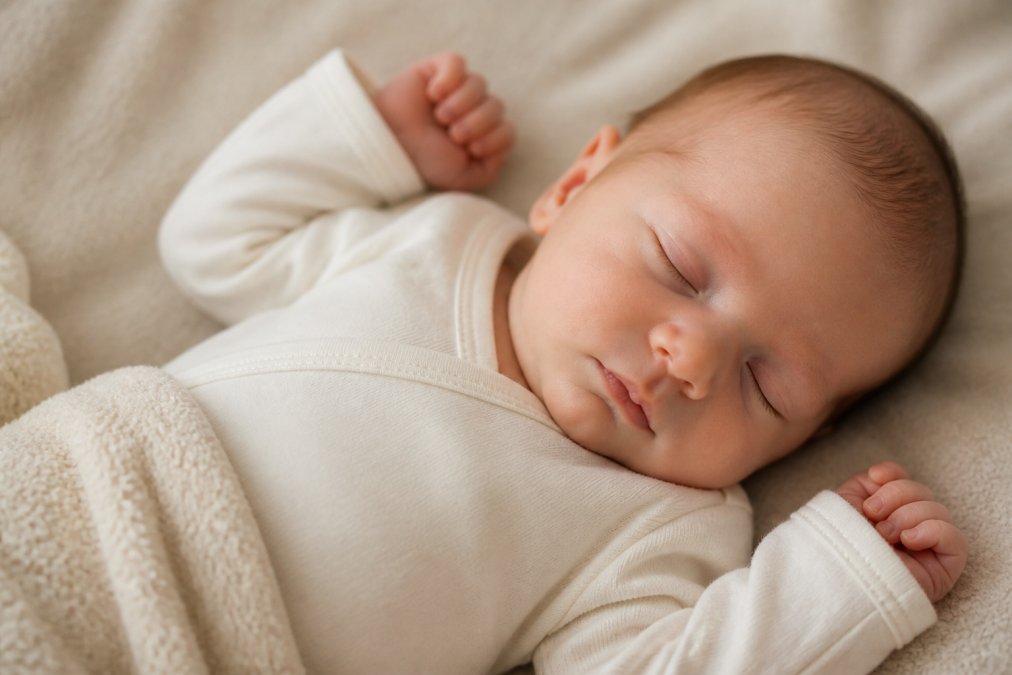
The Baby Cotton Onesie solves a specific problem: how to create a versatile base layer that works for layering without adding bulk or irritation. Made from 95% cotton with a long-sleeve design, this bodysuit covers the torso and snaps closed at the bottom, leaving legs free for pairing with pants, leggings, or shorts.
The snap-button closure is critical for eczema management. Snaps eliminate the need for elastic waistbands that dig into sensitive skin and allow you to change diapers without fully undressing your baby, reducing exposure to temperature fluctuations that can trigger flare-ups. Available in five sizes (59cm through 90cm).
Best for: Parents who want maximum versatility and layering options. The $29.99 price point makes it easy to build a rotation of base layers.
Baby Cotton Romper Jumpsuit
The Baby Cotton Romper Jumpsuit is designed for babies who need full-body coverage without coordinating multiple pieces. This 100% cotton one-piece covers your baby from shoulder to ankle, making it ideal for nap time, sleep, or cooler days when layering isn't necessary.
The full-length design eliminates gaps between separate pieces that can expose skin to temperature changes or friction from clothing edges. The long sleeves provide consistent coverage, and the one-piece construction means fewer seams overall. Available in blue, pink, and grey, it prioritizes function over fashion.
Best for: Parents seeking simplicity and full coverage. The $35.99 price reflects the additional fabric and construction complexity.
Hypoallergenic Baby Clothes: What to Look For
Hypoallergenic means designed to minimize common allergens. For babies with eczema, this translates to specific material and construction choices.
Certifications matter. Look for GOTS-certified organic cotton, which guarantees that the entire supply chain meets strict environmental and social standards. GOTS certification also prohibits certain chemicals in fabric finishing, meaning your baby's skin isn't exposed to formaldehyde, heavy metals, or other toxic residues.
Examine fabric composition carefully. Pure organic cotton is ideal, but if buying blended fabrics, ensure cotton comprises at least 95% of the blend. The remaining 5% might be elastane for stretch or wool for warmth, both acceptable additions. Avoid polyester, nylon, and acrylic blends, which trap moisture and heat.
Construction details are equally important. Seams should be flat and smooth. Tags should be absent or printed rather than sewn. Closures should be snaps or zippers, never buttons that require threading through tight buttonholes. The neckline should be soft and slightly loose; tight necklines create pressure points that irritate sensitive skin.
Finally, check the dyes. Natural dyes derived from plants and minerals are safer than synthetic azo dyes, which can break down into aromatic amines, known skin irritants. Many organic cotton manufacturers use low-impact dyes that meet GOTS standards.
Best Laundry Detergent for Baby Eczema
Clothing is only half the equation. How you wash it determines whether your baby benefits from hypoallergenic fabric or suffers from detergent residue equally irritating as synthetic dyes.
Standard laundry detergents contain surfactants, enzymes, and fragrances designed to remove dirt and add scent. For babies with eczema, these additives trigger inflammation. Surfactants strip natural oils from skin, enzymes break down proteins in the skin barrier, and fragrances are among the most common contact allergens.
Choose a detergent specifically formulated for sensitive baby skin. These products eliminate fragrances, dyes, and enzymes while using gentler surfactants. Washing technique matters as much as product choice: use half the recommended amount of detergent, wash baby clothes separately from adult laundry, run an extra rinse cycle, and wash new garments twice before your baby wears them.
Water temperature should be warm, not hot. Hot water strips natural oils and opens the skin barrier. Warm water (around 100-110°F) is sufficient for cleaning while being gentler on delicate fabrics and sensitive skin (the American Academy of Dermatology).
How to Manage Baby Eczema Flare-Ups with Clothing Choices
Clothing strategy extends beyond choosing the right garments. How you layer, dress, and manage your baby's clothing during flare-ups directly impacts recovery time and severity.
During a flare-up, reduce the number of layers. Overheating triggers sweating, which creates the moist environment where bacteria thrive and inflammation accelerates. A single organic cotton onesie or bodysuit is often sufficient, even in cool weather. If your baby needs additional warmth, use a cotton sleep sack instead of blankets or additional clothing.

Change clothes immediately after your baby sweats from activity, feeding, or temperature changes. Sweat-dampened fabric creates conditions for secondary infections. Keep several clean organic cotton pieces in rotation so you always have a dry option available.
Avoid dressing your baby in the same garment for more than 4-6 hours during a flare-up. Bacteria colonization increases with time, and worn fabric accumulates sweat and moisture that feeds inflammation. Frequent changes give skin time to dry between wearings.
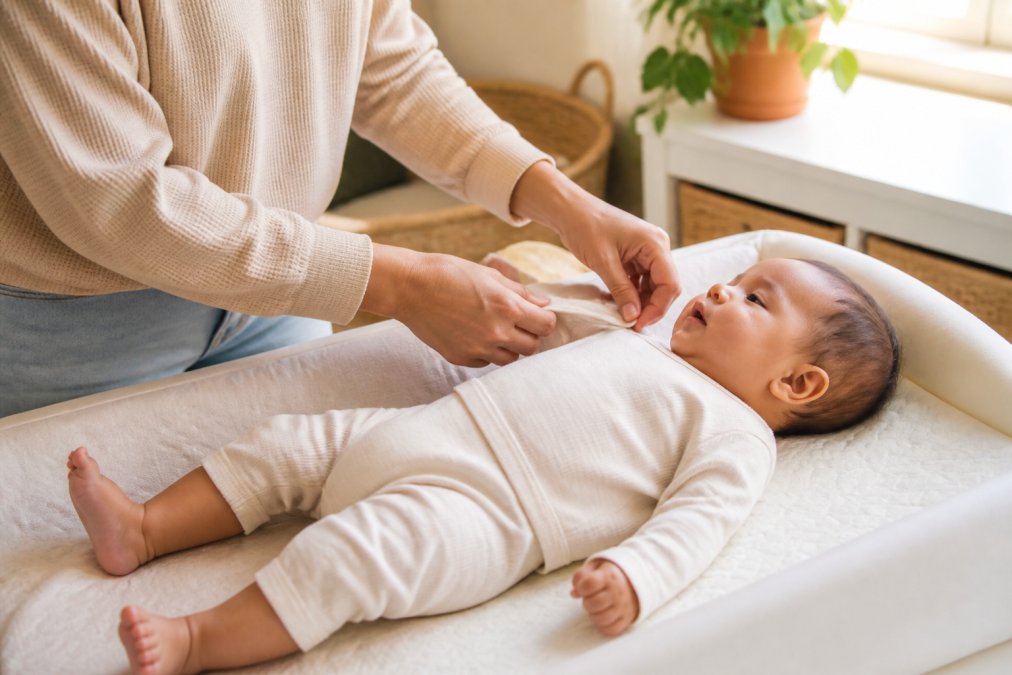
Consider the timing of baths in relation to dressing. Bathe your baby before putting on clean clothes. Post-bath skin is more permeable and absorbs irritants more readily. Waiting 15-20 minutes after a bath allows the skin barrier to partially reseal before dressing.
Layering strategy during cooler months should prioritize breathability over insulation. A long-sleeve organic cotton onesie under a cotton romper provides more thermal regulation than a single thick piece, allowing you to remove layers if your baby overheats without exposing bare skin to cold air.
Fabrics to Avoid for Eczema-Prone Babies
Understanding what NOT to buy is as important as knowing what to choose. Several common baby clothing materials actively trigger eczema flare-ups.
Polyester and polyester blends trap heat and moisture, creating a greenhouse effect against sensitive skin. Nylon is similarly problematic; it's non-porous and doesn't allow air circulation. Wool, while natural, is too coarse for babies with eczema. The fiber diameter creates physical irritation with every movement. Merino wool is finer but still too rough for the most sensitive skin.
Synthetic dyes are a major trigger. Conventional cotton clothing is often dyed with azo dyes, which can break down into aromatic amines, known skin irritants. Stick with naturally dyed or GOTS-certified organic cotton, which uses low-impact dyes that meet strict safety standards.
Elastic waistbands and tight closures create pressure points that concentrate irritation. Snaps, buttons, and zippers are preferable because they distribute pressure more evenly. Avoid any garment with loose buttons, appliqués, or embellishments that could come off and be swallowed.
Managing baby eczema requires a multi-layered approach, and clothing is one of the most controllable variables. Organic cotton baby clothes for eczema sensitive skin eliminate chemical irritants while thoughtful construction, tag-free design, flat seams, and breathable fabrics prevent the friction and moisture buildup that trigger flare-ups. Tender Tots & Wellness offers a carefully curated selection of organic cotton pieces designed specifically for sensitive baby skin. Start with the Pure Cotton Newborn Baby Gift Set ($29.99) or the versatile Baby Cotton Onesie ($29.99) to build a rotation of hypoallergenic basics. Pair these with a gentle, fragrance-free laundry detergent and a strategy of frequent changes during flare-ups, and you'll give your baby's skin the best chance to heal and thrive.

Frequently Asked Questions
Q: What is the best clothing material for babies with eczema?
A: Organic cotton is a top choice for babies with eczema. It's pesticide-free, hypoallergenic, and naturally breathable, which can help reduce skin irritation and flare-ups. Unlike synthetic fabrics that trap moisture and heat, organic cotton allows skin to breathe while maintaining the skin barrier. Look for GOTS-certified organic cotton to ensure high standards.
Q: Why is organic cotton recommended for babies with sensitive skin?
A: Organic cotton is grown without synthetic pesticides or chemical dyes, making it ideal for reactive skin conditions like atopic dermatitis. Conventional cotton can retain chemical residues that may trigger flare-ups. Organic cotton's natural softness and breathability support thermal regulation, helping to prevent overheating that can worsen eczema. The supple fibers cause minimal friction against the skin barrier.
Q: What features should I look for in eczema-friendly baby clothes?
A: Seek tag-free designs, flat-seam construction, and breathable, moisture-wicking fabrics. Avoid synthetic dyes and choose GOTS-certified options. Long-sleeve designs can provide coverage without restricting movement. Removable elements like snap buttons can make dressing easier without irritating sensitive skin. Layering options let you adjust for thermal regulation without overheating your baby.
Q: How do I prevent eczema flare-ups through clothing care?
A: Wash all new clothes before wearing to remove manufacturing residue. Use gentle, fragrance-free detergent designed for sensitive skin. Rinse twice to help eliminate detergent buildup. Avoid fabric softeners and dryer sheets, which can leave irritant residue. Air-dry when possible or use low heat. Store clothes in a clean space away from dust and mold, which can trigger flare-ups.
This article was written using GrandRanker