

Best Baby Bathtubs for Newborns: 2026 Reviews
Table of Contents
- Quick Comparison: Best Baby Bathtubs for Newborns in 2026
- How to Bathe a Newborn Safely
- Types of Baby Bathtubs: Sling, Foam, Plastic, and Collapsible
- Essential Baby Bath Accessories You Actually Need
- Key Features to Look For in a Newborn Bathtub
- Water Temperature and Monitoring: What Parents Often Miss
- When to Transition Baby to a Full-Size Tub
- Cleaning, Mold Prevention, and Storage for Small Apartments
- Frequently Asked Questions
Last Updated: October 1, 2026
Quick Comparison: Best Baby Bathtubs for Newborns in 2026
Choosing the best baby bathtubs for newborns reviews 2026 comes down to one question: does the tub keep your baby safe, warm, and secure while keeping your back and hands free to actually wash them? This guide breaks down every style, feature, and safety detail so you can decide with confidence.
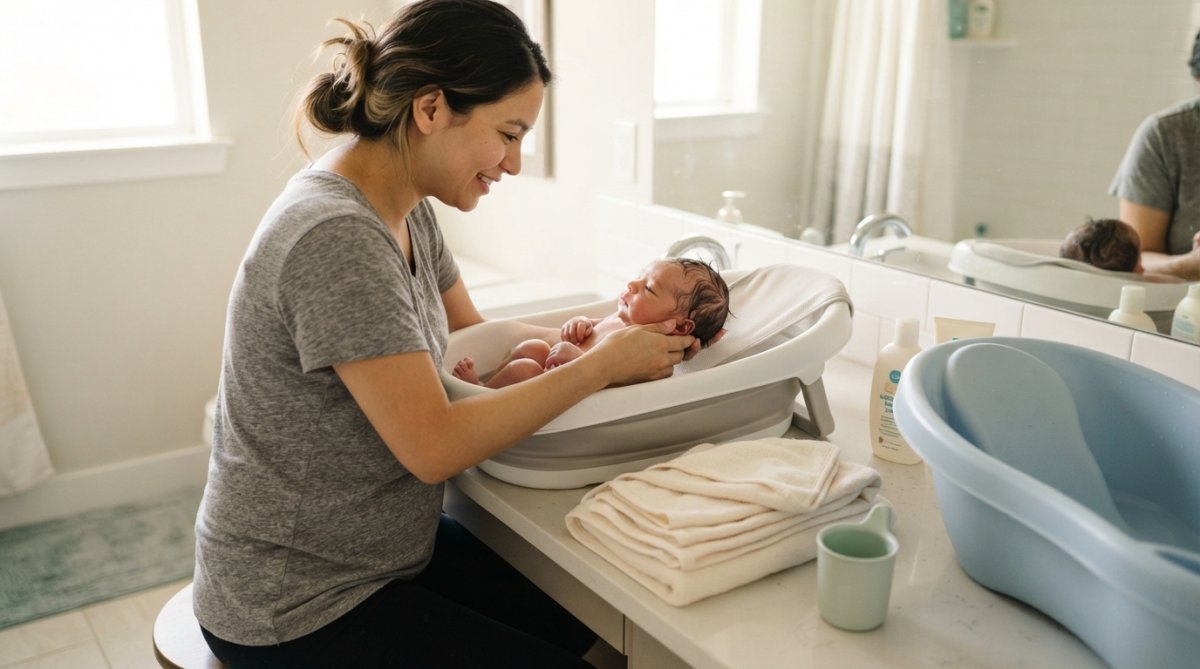
The short answer: a sling-style or contoured tub with a non-slip base and a built-in drain plug covers most newborns from day one through around six months.
| Tub Type | Best For | Key Strength | Watch Out For |
|---|---|---|---|
| Sling-style | Newborns 0-3 months | Reclined, hands-free support | Outgrown quickly |
| Foam | Budget setups, travel | Lightweight, soft | Dries slowly, can mildew |
| Plastic | 3-12 months | Durable, easy to clean | Bulky to store |
| Collapsible | Small bathrooms | Folds flat, portable | Fewer contoured features |
How to Bathe a Newborn Safely
Safety comes down to four things: water depth, water temperature, a firm grip, and never leaving the baby alone. A common approach is to fill the tub with just a few inches of warm water and keep one hand on your baby at all times.
The practical sequence most parents settle into:
- Prep everything first: towel, washcloth, gentle soap, fresh diaper, and a change of clothes within arm's reach.
- Fill the tub with a few inches of warm water and check it with your wrist or elbow.
- Lower your baby in feet-first, supporting the head and neck.
- Wash the face with plain water, then the body with a small amount of soap.
- Lift out, wrap immediately, and pat dry.
Types of Baby Bathtubs: Sling, Foam, Plastic, and Collapsible
Each tub type solves a different problem, and the right pick depends on your baby's age and your bathroom's size.
Sling-Style Tubs
A sling-style tub holds a newborn in a reclined position on a soft mesh or fabric cradle. This is the best option for the first three months because it keeps a floppy newborn secure while freeing both your hands. Look for a sling that clips firmly and dries quickly.
Foam and Plastic Tubs
Foam tubs are soft, light, and inexpensive, which makes them a solid travel or backup choice. The trade-off is drying time: foam holds water and needs to be hung or propped to dry completely, or it develops mildew. Plastic tubs are firmer, last longer, and clean up fast, but they take up real space.
Collapsible and Space-Saving Tubs
Collapsible tubs fold flat for storage behind a door or under a sink, which matters in apartments. They often include a drain plug and a contoured shape. The compromise is fewer newborn-specific features, so many parents pair a collapsible tub with a separate sling insert.
Essential Baby Bath Accessories You Actually Need
You need fewer accessories than the store shelves suggest. The essentials are a soft washcloth, a rinse cup or rinser, a gentle fragrance-free cleanser, a hooded towel, and a non-slip mat for the counter or floor.
Key Features to Look For in a Newborn Bathtub
Prioritize safety and stability over extras. The features that actually matter are a non-slip surface, a secure sling or contoured reclined position, a drain plug, and a base that will not slide on a wet counter.
A quick checklist to run before you buy:
- Non-slip base or suction cups that grip the surface
- Sling or contoured shape that supports a reclined position
- Drain plug for easy emptying
- Smooth, easy-to-clean interior with no crevices
- Mildew-resistant materials
- Size that fits your sink, counter, or tub ledge
Water Temperature and Monitoring: What Parents Often Miss
Water temperature is the most overlooked safety factor in newborn bathing, and most guides stop at "test it with your wrist." That advice is vague and unreliable. A wrist test can feel neutral on water that is still too warm for a newborn, whose skin is thinner and whose body cannot regulate heat efficiently. Consistent monitoring with a digital thermometer provides the precision necessary to protect delicate skin, a practice that remains essential alongside the selection of safe bath products for your infant.
How to hit the range consistently:
- Fill the tub first, then mix the water thoroughly, hot spots form when you add water after the fact.
- Check the temperature with a thermometer, not your hand.
- Aim for 98°F to 100°F, and re-check if the bath runs long, since water cools over time.
- Keep the room warm (around 75°F is a common target) so your baby is not losing heat to the air.
When to Transition Baby to a Full-Size Tub
Most babies move to a full-size tub once they can sit up steadily on their own, which typically happens somewhere around six months. At that point, a newborn tub becomes cramped and a seat-style support in the big tub makes more sense.
Signs it's time to transition:
- Your baby can sit upright without toppling
- They've outgrown the sling or are pushing against it
- The tub feels crowded when they kick and splash
- They show interest in the bigger tub during bath time
Cleaning, Mold Prevention, and Storage for Small Apartments
Rinse and dry your tub after every single bath. That one habit prevents most mildew problems. Moisture trapped in a sling, foam insert, or drain area is where mold starts, and once it takes hold in fabric or foam, it rarely comes out. But "rinse and dry" is where most guides stop, here is what actually keeps a tub clean over months of use.
A material-by-material care routine:
- Plastic tubs: Rinse with warm water after each use, then wipe dry with a clean cloth. A mild dish soap handles residue; avoid abrasive scrubbers that scratch the surface and create crevices where bacteria hide. A diluted white-vinegar wipe every week or two keeps the surface fresh.
- Foam tubs: These hold water the longest. Squeeze or press the foam gently after rinsing, then prop it on its side or hang it so air reaches every surface. Foam that stays damp between uses is the most common source of mildew in a nursery.
- Fabric slings: Check the maker's instructions before washing, most are machine-washable on a gentle cycle, but some mesh slings should be hand-washed and air-dried to protect the clips. Wash slings weekly if you bathe daily, and always dry them fully before reattaching.
- Collapsible tubs: Pay attention to the folds and the drain plug. Water pools in the creases when the tub is collapsed, so open it fully to dry before folding it away.
A simple maintenance cadence:
-
After every bath: rinse, wipe, and air-dry.
-
Weekly: wash the sling or wipe the tub with diluted vinegar.
-
Monthly: inspect every surface, especially seams, the drain area, and the underside of the sling, for dark spots or a musty smell. If mold has taken hold in foam or fabric, replace the part rather than trying to scrub it out.
-
Hang, don't stack. A simple adhesive hook or over-the-door hook holds a folded tub or a drying sling off the floor and out of the way.
-
Contain the accessories. A small caddy or basket keeps washcloths, soap, the rinser, and the thermometer together and off your limited counter space, and makes setup faster on bath night.
Frequently Asked Questions
What is the best bathtub for a newborn baby?
The best baby bathtubs for newborns have a reclined position, a sling or molded support, and a non-slip surface. Look for a tub that keeps your baby's head and shoulders above water. Sling-style tubs work well for the first few months, while convertible tubs can grow with your baby. Always check that the tub meets safety standards and fits your sink or bathroom space.
How do I keep a newborn bathtub clean and mold-free?
After every bath, rinse the tub with warm water and mild soap, then dry it completely with a clean towel. Pay attention to suction cups, drain plugs, and any crevices where water can sit. Once a week, wash with a diluted vinegar solution or a non-toxic cleaner. Store the tub upright or hang it to air dry. If you use a foam or fabric sling, check the care label and wash it regularly to prevent mildew.
Are collapsible baby bathtubs safe for newborns?
Yes, collapsible baby bathtubs can be safe for newborns if they have a sturdy locking mechanism, a non-slip base, and a supportive sling or insert. The foldable sides should lock firmly in place before you add water. Always follow the weight and age limits. Collapsible tubs are a good choice for small bathrooms or apartments because they store flat. Check for a drain plug that is easy to use and clean.
When should I transition my baby from a newborn tub to a full-size tub?
Most babies outgrow a newborn bathtub between 6 and 12 months, or when they can sit up steadily with minimal support. Signs include your baby's feet touching the end of the tub, water splashing over the sides, or your baby trying to sit up during bath time. At that point, switch to a full-size tub with a non-slip mat and a bath seat if needed. Always supervise your baby closely during bath time.
Bath time with a newborn is short, sweet, and a little nerve-wracking, and the right tub takes most of the guesswork out of it. Tender Tots & Wellness offers a curated selection of baby gear and wellness products, with high-quality items at fair prices and free worldwide shipping, so you can set up a safe, simple bath routine without the clutter. Shop now and find gear chosen to fit your modern family's needs.