

Buy Eco-Friendly Nursery Furniture Online: A Parent's Guide
Table of Contents
- What Makes Nursery Furniture Truly Eco-Friendly
- Understanding GREENGUARD Gold Certified Cribs and What It Means
- Materials That Matter: FSC-Certified Wood, Zero-VOC Finishes, and Beyond
- How to Choose a Non-Toxic Crib Mattress for Your Baby
- Top Non-Toxic Nursery Furniture Brands Worth Your Investment
- Verifying Certifications and Avoiding Greenwashing
- Building Your Eco-Friendly Nursery on a Real Budget
- Conclusion
Last Updated: August 20, 2026
What Makes Nursery Furniture Truly Eco-Friendly
True eco-friendly nursery furniture combines sustainable sourcing, non-toxic materials, and responsible manufacturing practices. The distinction between genuinely eco-friendly options and greenwashed marketing is critical. Real eco-friendly nursery furniture starts with FSC-certified wood from responsibly managed forests, paired with zero-VOC (volatile organic compound) finishes that eliminate harmful off-gassing. Beyond materials, ethical production includes fair labor standards, waste reduction, and energy-efficient processes. Certifications like GREENGUARD Gold indicate products have been tested for chemical emissions and meet strict standards, look for third-party certifications rather than brand-created claims.
Understanding GREENGUARD Gold Certified Cribs and What It Means
GREENGUARD Gold certification is one of the most rigorous standards for nursery furniture, testing for chemical emissions, volatile organic compounds, and formaldehyde content. Products are placed in controlled chambers where air quality is monitored for specific chemicals known to cause indoor air quality problems. The threshold for GREENGUARD Gold is significantly stricter than basic GREENGUARD certification and is designed for sensitive populations, including babies and young children.
What GREENGUARD Gold doesn't cover is equally important to understand. The certification focuses on chemical emissions during use, not on the entire lifecycle of the product or its manufacturing impact. A GREENGUARD Gold crib might still be made from conventionally sourced wood or use synthetic dyes. When shopping for non-toxic cribs, combine GREENGUARD Gold with other indicators: FSC-certified wood, organic mattress materials, and disclosed production practices. The most trustworthy eco-friendly nursery furniture carries multiple certifications.
Materials That Matter: FSC-Certified Wood, Zero-VOC Finishes, and Beyond
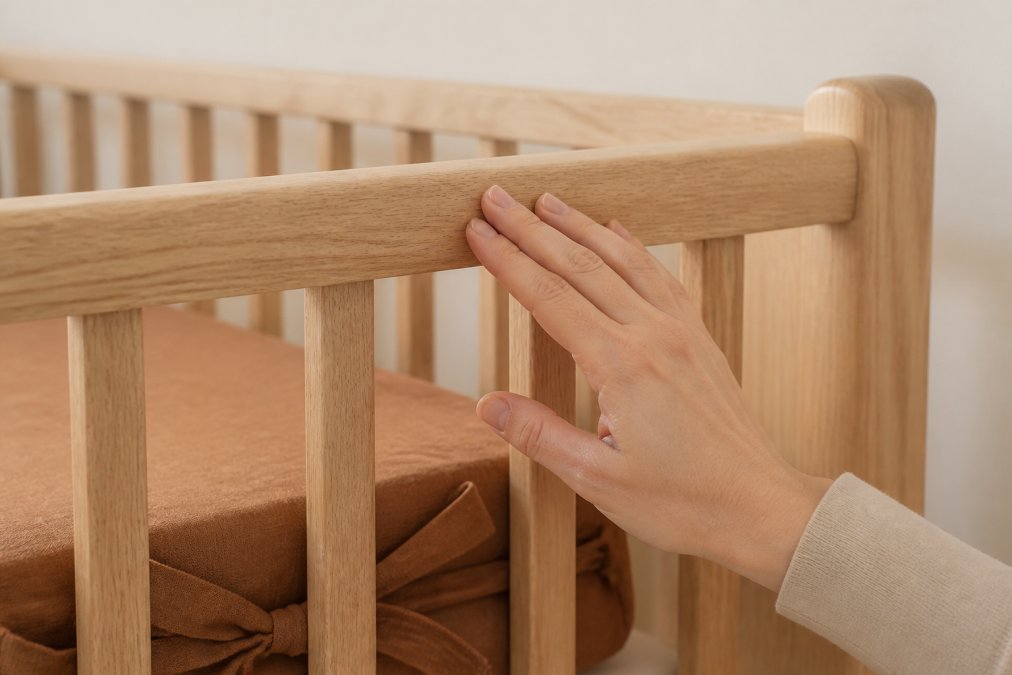
FSC-certified wood ensures your crib or dresser comes from forests managed with environmental responsibility, tracking the entire supply chain from forest to finished product. Zero-VOC finishes eliminate off-gassing entirely, using water-based formulations or plant-derived oils that cure without releasing harmful chemicals. The chemical odor typically accompanying new furniture indicates off-gassing; zero-VOC finishes eliminate that concern.
Solid wood construction matters more than veneer for durability and safety. Veneer can contain formaldehyde-based adhesives, while plywood underneath may off-gas. Solid wood pieces last longer and avoid adhesive concerns. Organic textiles on changing pads and mattress covers prevent pesticide exposure, organic cotton eliminates conventional pesticide loads while being gentler on your baby's skin. The Pure Cotton Changing Pad Cover from Tender Tots & Wellness uses pure cotton construction at just $21.99.

Phthalate-free plastics are essential for any flexible plastic components. Lead-free finishes are non-negotiable; while lead paint restrictions exist in the United States, imported furniture sometimes carries higher risks. Reputable manufacturers test for lead content and provide documentation. The combination of FSC wood, zero-VOC finish, organic cotton mattress cover, and lead-free hardware represents full commitment to safety.
How to Choose a Non-Toxic Crib Mattress for Your Baby
Non-toxic crib mattresses use natural latex, organic cotton batting, or plant-based foams instead of conventional polyurethane foam with flame retardants. Natural latex mattresses provide firm support without synthetic chemicals and offer inherent resistance to dust mites and mold. Organic cotton batting creates breathable, chemical-free layers that reduce heat buildup risk. Coconut coir, a natural fiber from coconut husks, provides firmness without synthetic foam and is naturally antimicrobial.
Flame retardants in conventional mattresses are a primary concern. While regulations require flame resistance, the chemicals used are linked to developmental concerns. Non-toxic mattresses meet flame resistance through design and material choice rather than chemical treatment. The mattress cover matters equally, organic cotton covers allow breathability and eliminate synthetic dyes. Washable covers are essential for regular cleaning without harsh chemicals.
When selecting a non-toxic crib mattress, verify certifications. GREENGUARD Gold certification for the complete mattress is ideal. Request test reports if available; transparent manufacturers provide them.
Top Non-Toxic Nursery Furniture Brands Worth Your Investment
Brands worth considering share transparency about materials, third-party certifications, and manufacturing practices. Look for companies using FSC-certified solid wood and zero-VOC finishes that provide GREENGUARD Gold certification documentation and disclose supply chains. Tender Tots & Wellness offers a curated selection of products at fair prices, reflecting careful evaluation of each item's safety profile.
Legitimately eco-friendly nursery furniture costs more because sustainable sourcing, non-toxic finishes, and rigorous testing add real expense. A solid wood crib with zero-VOC finish typically costs $400-$800. Dressers and changing tables range from $300-$600. Non-toxic mattresses run $200-$400. The most sustainable choice is buying fewer pieces that last, one high-quality crib used for multiple children outperforms buying two cheaper cribs.
Verifying Certifications and Avoiding Greenwashing
Greenwashing in nursery furniture is rampant. Brands use words like "natural," "eco-friendly," and "safe" without substantiation. Third-party certifications are your primary verification tool. GREENGUARD Gold, FSC certification for wood, and OEKO-TEX certification for textiles are legitimate, independently verified seals requiring testing, documentation, and ongoing compliance.
Manufacturer claims without third-party verification should raise questions. "Made with natural materials" doesn't mean the finish is non-toxic. "Sustainably sourced" lacks specificity without FSC certification. Request specific certifications and test reports rather than accepting vague claims. Check for transparency in supply chain disclosure, legitimate eco-friendly brands identify where wood is sourced, which factories manufacture products, and what testing has been conducted.
Look for documentation of chemical testing. Reputable manufacturers provide GREENGUARD Gold test reports and FSC chain-of-custody documentation upon request. Certifications to trust include GREENGUARD Gold, FSC, OEKO-TEX, and Global Organic Textile Standard (GOTS). Certifications created by the manufacturer themselves have no third-party verification value. Price is often a verification signal, genuinely eco-friendly furniture costs more because sustainable sourcing and rigorous testing add real expense.
Building Your Eco-Friendly Nursery on a Real Budget
Creating an eco-friendly nursery requires prioritizing strategically. Start with non-negotiables: a safe crib, non-toxic mattress, and changing surface. A solid wood crib with zero-VOC finish runs $400-$600. A non-toxic mattress costs $200-$350. A changing table or dresser with a washable pad cover completes the foundation for $300-$500. Total investment: roughly $900-$1,450 for essentials.
Secondary pieces like nightstands or additional dressers can be sourced more flexibly. These items don't require the same safety standards as sleep surfaces. The Pure Cotton Changing Pad Cover from Tender Tots & Wellness at $21.99 demonstrates how targeted purchases reduce overall costs, use a dresser and add a safe, washable cotton cover rather than buying an expensive changing table.
Consider buying secondhand for pieces where safety isn't the primary concern. A wooden dresser that's been off-gassing for years is safer than new furniture with fresh chemical release. Timing purchases strategically during sales reduces costs. Focus on timeless designs that work with multiple décor styles and grow with your child, extending useful life and value.
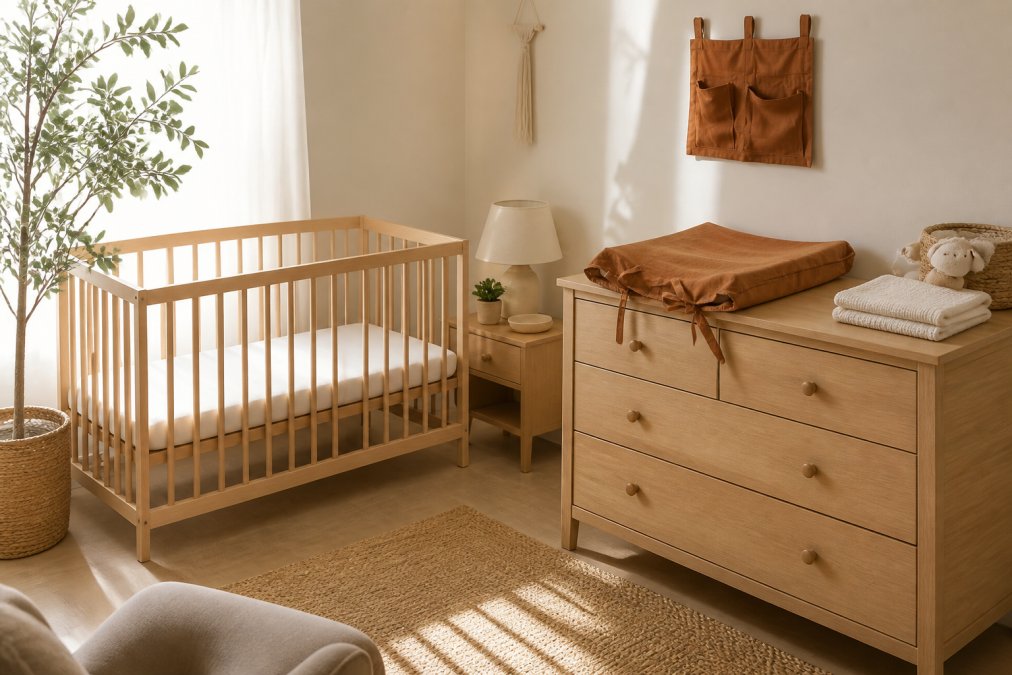
The most budget-friendly approach is buying one quality crib and mattress, one changing surface with a washable cover, and one dresser for storage. This foundation costs $1,000-$1,500 and covers all essential needs. Resist the pressure to fill a nursery with furniture, babies need a safe sleep space, a clean changing surface, and storage for supplies. Minimalist nurseries align better with eco-friendly principles: less consumption, less waste.
Building an eco-friendly nursery is achievable without overwhelming complexity or expense. Focus on verifying certifications, understanding materials, and prioritizing pieces with direct baby contact. Tender Tots & Wellness makes this easier by curating products that meet safety standards while offering fair pricing and free worldwide shipping. Start with the essentials, verify certifications, and build thoughtfully. Your baby deserves a safe space, and the planet benefits when you choose sustainably.
Frequently Asked Questions
What should I look for when buying eco-friendly nursery furniture?
Look for third-party certifications like GREENGUARD Gold, FSC-certified wood, and formaldehyde-free construction. Check product labels for zero-VOC finishes, phthalate-free materials, and lead-free paints. Request chemical testing transparency from manufacturers, reputable brands openly share safety documentation. Avoid furniture with strong chemical odors, which signal off-gassing. Read actual parent reviews focused on durability and off-gassing experiences, not just marketing claims.
Is GREENGUARD Gold certification necessary for baby furniture?
GREENGUARD Gold certification is the gold standard for indoor air quality but not strictly necessary if a manufacturer meets equivalent safety standards. It tests for formaldehyde, VOCs, and other chemicals that affect indoor air quality, critical since babies spend 12-16 hours daily in their nursery. If a brand doesn't carry GREENGUARD Gold, verify they meet CPSC (Consumer Product Safety Commission) standards and provide independent chemical testing reports. Certification gives you verified third-party assurance.
How can I verify if nursery furniture is truly sustainable?
Verify sustainability claims by checking for FSC (Forest Stewardship Council) certification on wood products, which proves responsible forestry practices. Ask manufacturers about their supply chain, manufacturing location, and waste reduction practices. Look for certifications from OEKO-TEX or similar bodies that test for harmful substances. Be skeptical of vague terms like 'eco-friendly' without supporting certifications. Check if the brand offers take-back programs or designs furniture for durability and future resale, which reduces environmental impact.
Are there affordable options for eco-friendly nursery furniture?
Yes, start with essentials like a non-toxic crib and changing table, then add pieces gradually. Budget-friendly options include natural wood furniture from emerging brands, second-hand certified pieces (verify safety standards still apply), and multi-functional designs that grow with your child. Tender Tots & Wellness offers items like the Pure Cotton Changing Pad Cover at $21.99, combining affordability with quality materials. Focus spending on items your baby uses daily (crib, mattress, changing surface) rather than decorative pieces.
This article was written using GrandRanker