

Style a Sustainable Nursery on a Budget
Table of Contents
- Plan Your Nursery Before You Shop
- Set a Realistic Budget for Your Sustainable Nursery
- Budget Nursery Ideas: Prioritize Essentials Over Extras
- Choose Nontoxic Baby Furniture That Lasts
- Minimalist Nursery Essentials: Less Is More
- Create a Zero-Waste Baby Nursery Through Smart Choices
- Decorate Sustainably Without Breaking the Bank
- Frequently Asked Questions
Last Updated: October 10, 2026
Plan Your Nursery Before You Shop
Before you buy a single item, take time to plan your sustainable nursery budget. Walk through the space and measure it. Think about what your baby actually needs versus what looks nice on social media.
Start by listing essentials: a safe sleep space, storage for clothes and supplies, a changing area, and soft lighting. Everything else is optional. Sketch a simple layout on paper. Where will the crib go? Where will you change diapers?
Consider your space constraints. A small room needs multifunctional furniture. A large room can spread things out. Either way, planning first prevents wasteful purchases later and is essential to maintaining a sustainable nursery budget.
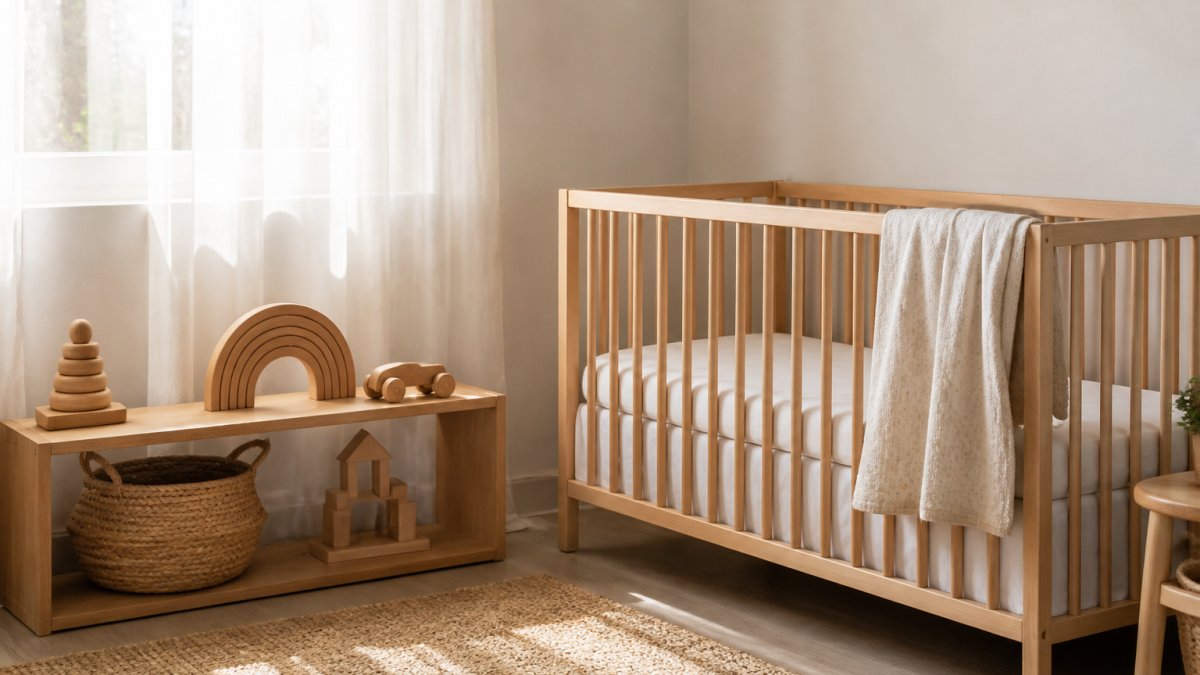
Set a Realistic Budget for Your Sustainable Nursery
Know your numbers before you shop. A sustainable nursery on a budget doesn't mean zero spending; it means allocating funds where they matter most and cutting waste where they don't.
Sample Budget Breakdown (Starting from Scratch)
Most families spend between $500 and $1,500 total, depending on what they already own and what they prioritize. Here's a realistic allocation:
- Sleep furniture (crib or bassinet): $150-$400. A quality new crib runs $200-$350; secondhand solid-wood cribs often cost $100-$250 and have already off-gassed. Budget more if buying new; save here if buying used and inspecting carefully.
- Mattress and bedding: $80-$150. A firm crib mattress costs $60-$100; fitted sheets and a waterproof protector add $20-$50. Don't skimp, a poor mattress affects sleep quality and safety.
- Changing surface and supplies: $40-$80. A dresser-top changing pad and cover run $30-$60; a dedicated changing table costs more but is optional if you repurpose existing furniture.
- Storage (dresser or shelving): $0-$200. If you already own a dresser, repurpose it for free. A new solid-wood dresser costs $150-$300; secondhand options run $50-$150.
- Lighting: $20-$50. A dimmable lamp or nightlight costs $15-$40; avoid expensive smart systems.
- Decor (paint, decals, prints, textiles): $30-$100. Paint is $20-$40 per gallon; peel-and-stick decals cost $10-$30; thrifted frames and prints run $2-$5 each.
- Clothing and small items (blankets, toys, organizers): $100-$200. Buy essentials new or secondhand; avoid trendy character items.
Spending Priorities

Invest the most in items your baby uses daily and that affect safety and sleep: the crib, mattress, and fitted sheets. These are worth buying new or carefully inspecting if secondhand. Spend moderately on a changing surface and storage.
Where to Cut Without Sacrificing Quality
Skip expensive wall murals, trendy character themes, and matching furniture sets. Buy secondhand solid-wood pieces instead of new particleboard. Choose neutral paint colors that work for years rather than trendy shades requiring repainting. Use thrifted frames and printed artwork instead of custom wall decor.
Tracking Your Spending
Write down each item and its cost before you buy. This prevents impulse purchases and keeps you accountable to your actual budget.
Budget Nursery Ideas: Prioritize Essentials Over Extras
Focus on what your baby needs to sleep safely and what you need to care for them. Everything else is negotiable.
Essential items:
- Safe crib or bassinet
- Firm mattress and fitted sheets
- Changing surface and pad
- Dresser or closet storage
- Soft lighting for nighttime
- A few comfortable outfits
Nice-to-have items:
- Themed decor
- Expensive wall art
- Matching furniture sets
- Trendy accessories
- Specialty storage
The essentials keep your baby safe and your daily routine manageable. The nice-to-haves make the room feel complete but don't affect function. When you're on a budget, skip the second list entirely. Your baby won't know the difference.
Many families discover that minimalist nurseries feel calmer and easier to maintain. Less clutter means less to clean, organize, and replace.
Choose Nontoxic Baby Furniture That Lasts
Nontoxic materials matter because your baby spends hours in this space. Off-gassing from low-quality furniture can affect indoor air quality, and poor construction creates safety hazards.
Markers of Quality and Durability
When evaluating new or secondhand furniture, look for:
- Solid wood construction (not veneered particleboard). Solid wood withstands years of use, moisture, and movement. Particleboard swells when wet, breaks easily, and often contains formaldehyde-based adhesives. Check the underside and interior of drawers, solid wood shows grain; particleboard shows a uniform, pressed appearance.
- Water-based or natural finishes. These off-gas minimally and are safer if your baby chews on furniture. Avoid high-gloss polyurethane finishes, which can contain volatile organic compounds (VOCs). Ask sellers of secondhand pieces what finish was used; solid wood that's been sealed with water-based stain or natural oil is ideal.
- Third-party certifications. GREENGUARD Gold certification indicates low chemical emissions; FSC (Forest Stewardship Council) certification means the wood comes from responsibly managed forests. Cribs should meet Consumer Product Safety Commission (CPSC) standards for slat spacing and hardware strength.
- Sturdy joints and hardware. Drawers should slide smoothly without wobbling. Shelves should not sag under weight. Hardware (handles, hinges, bolts) should be tight and rust-free. Wobbly furniture is a tipping hazard and won't last.
- Timeless design. Avoid trendy shapes or finishes that date quickly. Simple, classic pieces work across seasons and are easier to resell or pass on.
Inspecting Secondhand Furniture for Safety
Used wooden furniture has already off-gassed, making it a smart sustainable choice, but inspection is essential.
For cribs:
- Verify the model has not been recalled. Check the CPSC website (cpsc.gov) or search the crib brand and model number online.
- Measure slat spacing: slats should be no more than 2⅜ inches apart (a soda can should not fit between them) (Crib Safety Tips). Wider spacing is a suffocation hazard.
- Check that all hardware is present, tight, and rust-free. Missing bolts or cracked wood can cause collapse.
- Inspect the mattress support: it should be firm and level, not sagging or cracked.
- Look for deep stains, water damage, or soft spots indicating mold or mildew. These cannot be fully cleaned and pose respiratory risks.
For dressers and changing tables:
Pure Cotton Changing Pad Cover – Soft, Removable & Washable | Fits Standard →
- Check for stability. Tip the piece gently, it should not rock or feel unstable. Unstable furniture is a tipping hazard, especially as your child grows and climbs.
- Inspect drawers for smooth operation and secure slides. Broken slides mean drawers jam or fall out unexpectedly.
- Look for signs of water damage, mold, or pest infestation. Stains, soft wood, musty odors, or small holes are red flags.
- Ensure all hardware is present and tight. Loose handles or hinges can injure small hands.
- Check that the piece has not been recalled. Search the brand and model on the CPSC website.
For all pieces:
- Run your hand over surfaces and joints. Splinters, rough edges, or loose veneer are safety hazards and signs of poor construction.
- Ask the seller about the furniture's history: How long have they owned it? Has it been in a smoke-free home? Has it been refinished or repaired? Refinishing with low-VOC products is acceptable; refinishing with traditional polyurethane adds off-gassing time.
- Smell the piece. Strong chemical odors indicate recent finishing or off-gassing. Air it out in a garage or outdoors for several days before bringing it into the nursery.
Where to Buy Secondhand Safely
Swap with other parents through local parent groups, Facebook Marketplace, or Craigslist. Inspect items in person before committing. Buy from thrift stores that accept returns if you discover damage after purchase. Avoid items from unknown sources or those with unclear history, as you cannot verify safety or cleanliness.
Durability as Sustainability
Furniture that lasts through multiple children pays for itself and reduces waste. A well-made wooden dresser can serve as a changing station now, toy storage later, and a bedroom dresser for years after. Solid wood can be refinished if it becomes scratched or stained, extending its life further.
Minimalist Nursery Essentials: Less Is More
A minimalist nursery on a budget is actually easier to create than a decorated one. You need fewer items, less money, and less time to maintain it. The focus shifts from aesthetics to function.
Core essentials for a minimalist space:
- One quality changing pad cover in a neutral color
- A simple wooden crib
- A dresser for storage
- Soft, dimmable lighting
- A few wooden toys
- Neutral bedding
Tender Tots & Wellness's Pure Cotton Changing Pad Cover fits this approach perfectly. It's available in four neutral colors, Blue, Grey, Pink, and Turmeric, and is designed to fit standard changing tables at 32×16×4cm. The removable, washable design means you can keep it clean without replacing it constantly.
Minimalism reduces decision fatigue. When you have fewer items, you spend less time choosing what to buy, where to put it, and how to maintain it. Your nursery becomes a calm, functional space instead of a visual puzzle.
Create a Zero-Waste Baby Nursery Through Smart Choices
Zero-waste doesn't mean perfect. It means making choices that reduce landfill impact where you can.
Start with these practices:
- Buy quality items that last through multiple children
- Choose items you can sell or pass on later
- Use natural materials that biodegrade
- Repair instead of replace when possible
- Avoid single-use items like disposable changing pads
Secondhand furniture and clothing reduce manufacturing waste. A wooden crib used by three children has one-third the environmental impact of three new cribs. Organic cotton bedding and clothing break down naturally. Wooden toys last decades and don't require batteries or plastic packaging.
When you do buy new, choose items with minimal packaging. Look for brands using recycled or recyclable materials. Ask yourself: Will I use this for years? Can someone else use it after my child? Can I recycle or compost it?
This mindset shifts your spending from quantity to quality. You buy less overall, which saves money and reduces waste simultaneously.
Decorate Sustainably Without Breaking the Bank
Decor is where you can express style without overspending. Skip expensive wall murals and trendy character themes. They date quickly and cost more to remove.
Affordable, sustainable decor options:
- Peel-and-stick decals in neutral designs
- Framed prints from thrift stores or printed at home
- Fabric wall hangings you can reuse
- Natural wood shelves for displaying toys
- Soft, washable fabric decorations
- Plants (nontoxic varieties only)
Paint walls in soft, neutral colors that work for years. Whites, greys, and soft greens provide a calm backdrop without trending. Peel-and-stick decals let you change the look without permanent changes, important if you're renting.
Thrift stores often have beautiful frames and prints for $2-5 each. Print your own artwork at home or use digital displays. Fabric banners and wall hangings can be swapped out seasonally without cost.
The best decor is often what you already own. A wooden mobile your grandmother made, a quilt passed down through family, or artwork from a favorite artist creates meaning without marketing.
Building a sustainable nursery on a budget is entirely achievable when you prioritize function over trends. Shop our curated collection of essential baby gear and discover how quality and sustainability work together to create a nursery your family will love.
Frequently Asked Questions
What items are actually safe to buy secondhand for a sustainable nursery?
Cribs, dressers, and changing tables are safe secondhand purchases if they meet current safety standards, check that cribs comply with CPSC regulations and have all hardware. Avoid used crib mattresses, pillows, or bumpers due to SIDS risk. Inspect wooden furniture for damage, loose parts, and nontoxic finishes. Soft goods like blankets and clothing can be washed before use. Always verify the item's history and condition before purchasing.
How much should I budget for a sustainable nursery on a tight budget?
A functional sustainable nursery can be set up for $800-$1,500 if you prioritize essentials: a safe crib ($200-$400), dresser ($150-$300), changing pad cover ($20-$30), and basic bedding. Add storage, lighting, and minimal decor for another $200-$400. Buying secondhand, repurposing furniture, and choosing durable nontoxic pieces stretches your budget further. Focus spending on items baby uses daily and that directly affect safety and sleep.
What makes furniture truly nontoxic for a baby's room?
Nontoxic nursery furniture is made from natural materials like solid wood without synthetic finishes, low-VOC paints, or formaldehyde-based adhesives. Look for certifications like Greenguard Gold or FSC-certified wood. Avoid particleboard and veneers treated with toxic chemicals. Check product descriptions and safety certifications before buying. Quality nontoxic pieces often cost more upfront but last through multiple children and maintain better indoor air quality for your baby.
How can I decorate a nursery sustainably without buying everything new?
Repurpose items you already own: hang family photos in simple frames, use fabric scraps for wall art, or frame pages from old children's books. Buy secondhand wooden decor, frames, and storage baskets. Use peel-and-stick decals or removable wall paint to avoid permanent changes. Swap items with other parents or shop thrift stores for affordable, unique pieces. Choose durable, timeless decor in neutral colors that work as your child grows, reducing the need to replace items later.