

Best Eco-Friendly Baby Gifts 2026
Table of Contents
- Best Eco-Friendly Baby Gifts for Every Budget
- Organic Cotton Clothing and Rompers
- Non-Toxic Baby Registry Essentials
- Sustainable Baby Shower Gift Ideas
- How to Choose Safe Baby Toys and Gear
- End-of-Life Disposal and Product Lifecycle
- Second-Hand and Upcycled Gift Etiquette
- Conclusion
Last Updated: August 28, 2026
Best Eco-Friendly Baby Gifts for Every Budget
When shopping for a new baby, eco-friendly gifts become the obvious choice if you care about what touches your child's skin and what ends up in landfills. At Tender Tots & Wellness, we've curated sustainable, non-toxic gifts that deliver on their promises. The challenge isn't finding eco-friendly options, it's knowing which certifications matter and which gifts will actually be used instead of collecting dust.
Quick Comparison Table
| Gift Type | Price Range | Best For | Key Benefit |
|---|---|---|---|
| Organic cotton clothing | $24.99-$35.99 | Everyday wear, layering | Soft, breathable, chemical-free |
| Sustainable toys | Varies | Developmental play | Non-toxic, durable, biodegradable |
| Natural rubber teethers | $15-$30 | Teething relief | BPA-free, naturally antimicrobial |
| Cloth diapering essentials | $20-$70 | Long-term savings | Reduces landfill waste, reusable |
| Bamboo sleepwear | $30-$50 | Sleep comfort | Hypoallergenic, temperature-regulating |
| Eco-friendly bath products | $12-$25 | Daily care | Chemical-free, gentle on skin |
Organic Cotton Clothing and Rompers
Organic cotton is grown without synthetic pesticides and processed with natural methods, unlike conventional cotton. This matters because a newborn's skin is permeable, what touches it gets absorbed.
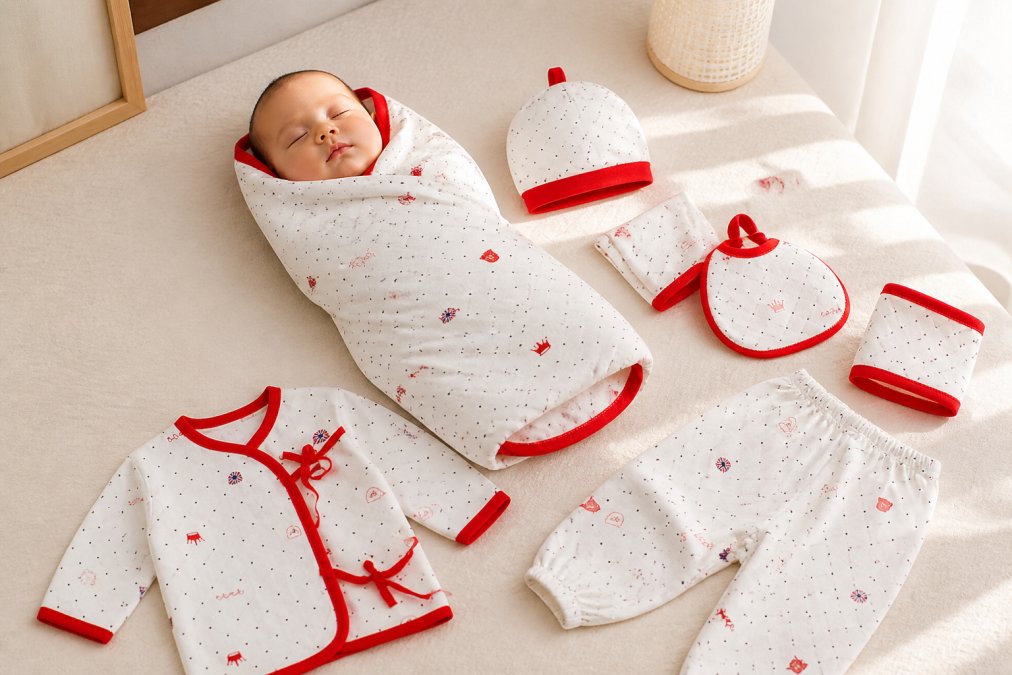
The Pure Cotton Newborn Baby Gift Set from Tender Tots & Wellness ($29.99) is a practical starting point. Made from 100% cotton in multiple colors, it fits newborns 0-3 months and includes a complete outfit ideal for baby showers. The Baby Cotton Romper Jumpsuit ($35.99) offers full-length protection for toddlers, simplifying dressing with its one-piece design. The Baby Cotton Onesie ($29.99) works as a versatile layering piece with snap-button closures for faster diaper changes.

When evaluating organic cotton pieces, look for GOTS certification (Global Organic Textile Standard), which ensures the cotton is grown organically and processed without toxic chemicals.
Non-Toxic Baby Registry Essentials
The Pure Cotton Changing Pad Cover ($21.99) protects your baby's skin and is far easier to keep clean than permanent pad covers. This removable, washable cover fits standard changing tables and comes in four colors: blue, grey, pink, and turmeric.

The 360° Rotate Spill-Proof Baby Bowl ($30.99) is genuinely useful for toddlers starting solids. The rotating inner bowl stays upright even when tipped, reducing spilled food. Made from BPA-free polypropylene and dishwasher safe, one bowl lasts through multiple children.
The Large Capacity Mummy Baby Backpack ($69.99) is the gear investment that pays dividends. An insulated, waterproof diaper bag with multiple compartments keeps essentials organized. The insulated bottle section maintains temperature, dry/wet separation prevents messes, and backpack straps keep your hands free.
Registry essentials should prioritize items you'll use constantly, easier changes, less mess, better organization.
Sustainable Baby Shower Gift Ideas
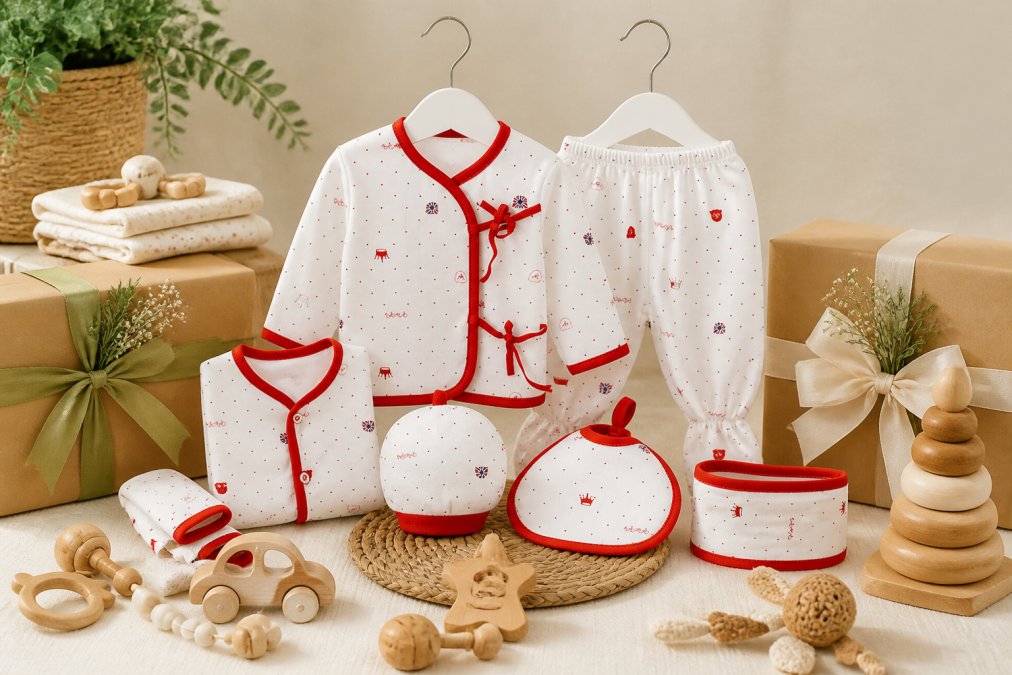
The Baby 3-Piece Outfit Set ($24.99) combines practicality with aesthetics, including a printed top, matching pants, and coordinating hat. The soft polyester fabric is lightweight and comfortable.
Natural rubber teethers are made from sustainably harvested rubber trees, contain no BPA or phthalates, and have natural antimicrobial properties (peer-reviewed research). Bamboo-based sleepwear is hypoallergenic, temperature-regulating, and ideal for babies with sensitive skin or eczema.
Eco-friendly bath and body products with minimal ingredients, no synthetic fragrances, and recyclable or compostable packaging round out strong gift choices. Focus on one high-quality option rather than a collection of mediocre ones.
The strongest baby shower gifts solve a real problem or fill a genuine gap in the nursery.
How to Choose Safe Baby Toys and Gear
Safety and sustainability overlap significantly. A toy built to last doesn't end up in a landfill after three months. A toy made from non-toxic materials doesn't expose your child to harmful chemicals.
Understanding Certifications and Standards
OEKO-TEX Standard 100 tests for harmful substances in textiles, dyes, heavy metals, and formaldehyde, requiring compliance at every production step. GOTS (Global Organic Textile Standard) verifies that material is genuinely organic and processed without synthetic chemicals. For wooden toys, FSC (Forest Stewardship Council) certification ensures wood comes from responsibly managed forests.
Toys should meet CPSIA (Consumer Product Safety Improvement Act) standards in the United States, mandating testing for lead and phthalates (cpsc.gov). Any reputable manufacturer should provide a Certificate of Compliance.
What to Look for Beyond Labels
A toy made from solid wood with non-toxic stain lasts longer than one made from particle board or plastic. Natural rubber is superior to PVC or silicone for teethers, it's naturally antimicrobial and biodegrades instead of persisting in landfills.
For soft toys, check seams and stuffing. Quality construction prevents fiber shedding. Natural fiber stuffing (organic cotton, wool) is preferable to polyester.
Ask manufacturers for transparency about sourcing, manufacturing processes, and testing results. If a company won't explain where materials come from, that's a red flag.
End-of-Life Disposal and Product Lifecycle
A truly sustainable gift considers the entire lifecycle: production, use, and disposal.
Organic cotton clothing and textiles: Organic cotton biodegrades at commercial composting facilities that accept textiles. Most home compost bins don't reach required temperatures. Check your local waste management website for "textile composting near me." Donate gently used items to thrift stores or clothing swaps. Damaged organic cotton becomes cleaning rags or pet bedding. Avoid throwing it in standard trash.
Bamboo sleepwear and products: Bamboo fabric is biodegradable but made using chemicals requiring responsible management. Treat like organic cotton: donate if wearable, compost at commercial facilities if damaged, or repurpose as cleaning material. Direct donation to friends often works best.
Natural rubber teethers and toys: Natural rubber is genuinely biodegradable but often treated with finishes slowing decomposition. Donate to friends with younger babies, give to pets as chew toys, or place in commercial compost facilities. Prioritize donation or reuse first.
Wooden toys: Solid wood toys treated with non-toxic stain are durable enough for multiple children. Donate or pass along when structurally sound. When unsafe, compost at commercial facilities if the finish is non-toxic. Untreated wood goes into standard compost bins.
Cloth diapers: A single disposable diaper takes 450+ years to decompose (peer-reviewed research). A cloth diaper lasts through 2-4 children, then becomes cleaning rags or compost material. This extended lifecycle means cloth diapers have a fraction of disposables' environmental impact.
Plastic-free or minimal-plastic gear: Donate or pass along when outgrown. If damaged, check if components can be recycled. Plastic goes into standard recycling if labeled #1-#7.
Finding local resources: Search "textile recycling [your city]," "commercial composting [your city]," or "baby item donation [your city]." Many communities have Buy Nothing groups on Facebook. Thrift stores and consignment shops accept baby items.
The math of reuse: A single outfit purchased second-hand and used by a second child spreads its environmental footprint across two children. Prioritize reuse and donation first; disposal is the last resort.
When choosing gifts, ask: Will this last through multiple children? Can it be repurposed or donated when outgrown? Is it made from materials that biodegrade or recycle in my area? These questions reveal which gifts are truly sustainable.
Second-Hand and Upcycled Gift Etiquette
Buying second-hand baby items is increasingly common and genuinely sustainable. A used organic cotton outfit has already justified its environmental impact. What matters is condition and cleanliness, items should be thoroughly cleaned, in good repair, and free of stains.
Clothing, wooden toys, and gear like diaper bags work beautifully as second-hand gifts. Teethers and pacifiers are better purchased new for hygiene reasons.
Present second-hand gifts thoughtfully. Mention that you chose it specifically for quality and sustainability. Include cleaning supplies if needed. A second-hand gift given with intention often means more than a new item purchased without thought.
Upcycled gifts take this further, a vintage wooden toy refurbished with non-toxic stain or a designer item from a consignment shop feels luxurious while being sustainable.
Choosing eco-friendly baby gifts means looking beyond marketing claims to actual materials, certifications, and lifecycle impact. At Tender Tots & Wellness, we believe the best gifts combine quality, sustainability, and real utility. Our curated collection of organic cotton clothing, sustainable gear, and non-toxic essentials is designed for modern families making intentional choices. Start with quality organic cotton pieces and gear that solves real problems, then build from there. With free worldwide shipping, it's easier than ever to shop for gifts that align with your values. Shop now and give gifts that matter.
Frequently Asked Questions
Q: What makes eco-friendly baby gifts different from regular baby products?
A: Eco-friendly baby gifts prioritize sustainable materials, non-toxic manufacturing, and minimal environmental impact. They're made from organic cotton, natural rubber, bamboo fiber, and other biodegradable materials without harmful chemicals. These products are designed to be safer for your baby's delicate skin while reducing your family's carbon footprint. Brands that focus on ethical manufacturing and zero-waste packaging go further by supporting responsible business practices.
Q: How do I identify non-toxic baby registry essentials when shopping?
A: Look for certifications like GOTS (Global Organic Textile Standard) for clothing, OEKO-TEX for textiles, and Cradle to Cradle for overall product sustainability. Check product labels for chemical-free claims and avoid items with PVC, phthalates, or BPA. Read ingredient lists on bath and body products, and prioritize brands that disclose their manufacturing process. Tender Tots & Wellness curates products specifically for safety and quality, making it easier to build a non-toxic registry without guesswork.
Q: Are organic cotton baby clothes worth the higher price?
A: Yes, organic cotton baby clothes offer real benefits that justify the investment. They're gentler on sensitive newborn skin, free from synthetic pesticides and dyes, and more durable for multiple children or hand-me-downs. Organic cotton breathes better, reducing overheating risk, and maintains softness through many wash cycles. Since babies spend most of their time in clothing, choosing organic reduces their chemical exposure during critical developmental months. Quality pieces also hold up better for siblings or resale.
Q: What sustainable baby shower gift ideas work for any budget?
A: Budget-friendly options include organic cotton onesies ($29.99-$35.99), changing pad covers ($21.99), and 3-piece outfit sets ($24.99). Mid-range gifts include spill-proof bowls ($30.99) and specialty items like romper jumpsuits ($35.99). For larger budgets, consider insulated diaper backpacks ($69.99) or curated gift sets. Tender Tots & Wellness offers high-quality options across all price points with free worldwide shipping, making it easy to give thoughtful, sustainable gifts without overspending.
This article was written using GrandRanker