

Bamboo vs Organic Cotton for Eczema: Which Fabric Soothes Skin
Last Updated: November 14, 2026
Quick Summary
The bamboo vs organic cotton choice for eczema comes down to trade-offs, not a cure: bamboo viscose feels silky and cool but goes through heavy chemical processing, while certified organic cotton has lighter processing and withstands frequent washing. Pick the fabric that stays smooth, dry, and loose against the skin.
- Bamboo viscose and bamboo rayon are the same regenerated cellulose fiber, so expect no performance difference for skin.
- Bamboo viscose wicks quickly but can hold moisture longer once saturated, while cotton releases moisture as it dries.
- Choose certified organic cotton if you want the lowest chemical-processing risk for your baby.
- Cotton handles hot water and normal cycles and holds up better over dozens of washes.
- Test one new garment at a time on a patch of clear inner-arm skin for a few hours.
Table of Contents
- Bamboo vs Organic Cotton for Eczema: The Quick Comparison
- Bamboo Fabric vs Cotton: How the Two Fibers Differ
- Softness, Breathability, and Moisture Wicking on Sensitive Skin
- Is Bamboo Viscose Good for Eczema? What the Evidence Supports
- The Best Fabric for an Eczema Baby: A Practical Decision Framework
- Fabrics to Avoid With Eczema and Construction Details That Matter
- How to Wash Clothes for Eczema: Detergent, Dyes, and Fabric Softener
- Testing a New Fabric on Your Child's Skin Before You Commit
- Frequently Asked Questions
Bamboo vs Organic Cotton for Eczema: The Quick Comparison
The bamboo vs organic cotton debate matters most to parents of babies with eczema, and the honest answer is that neither fabric cures eczema. What fabric choice can do is reduce friction, manage moisture, and lower exposure to irritants that trigger flare-ups. Parents building a calming, minimalist nursery often find the answer more nuanced than most shopping pages admit.
Here is the short version before we go deeper:
| Factor | Bamboo Viscose | Organic Cotton |
|---|---|---|
| Feel | Silky, cool, smooth | Soft, familiar, slightly textured |
| Breathability | High | High |
| Moisture absorption | Absorbs well, dries slowly | Absorbs well, dries steadily |
| Temperature | Cool to the touch | Neutral, warms with body heat |
| Chemical processing | Heavy (viscose/rayon route) | Lighter if certified organic |
| Durability | Can pill and stretch | Withstands repeated washing |
| Best for | Heat-sensitive sleepers | Most eczema-prone babies |
Below, we break down how the fibers actually differ, what the evidence supports, and how to test any new fabric on your child's skin before you commit. For the organic cotton side of the comparison, see our organic cotton baby clothes for eczema guide.
Bamboo Fabric vs Cotton: How the Two Fibers Differ
Bamboo and cotton start from very different places, and that starting point explains almost everything about how each fabric behaves against eczema-prone skin.
Bamboo is a fast-growing grass, and the stalk can be turned into textile fiber two ways:
- Mechanically. The woody stalk is crushed and the fibers are combed out. This route is rare, expensive, and usually sold as "bamboo linen." It keeps the fiber close to its natural form.
- Chemically. Bamboo pulp is dissolved into a viscous solution, filtered, and extruded through spinnerets into filament, which is then cut and spun.
That second route is the whole story for eczema shoppers. The chemical process breaks the bamboo down to cellulose and rebuilds it as a manufactured fiber. The softness you feel comes from the extrusion and finishing, not from bamboo's natural properties. A smooth, silky hand-feel is real, but it is engineered, and the fiber is legally a regenerated cellulose fiber rather than a raw plant fiber.
Bamboo Fiber, Bamboo Viscose, and Bamboo Rayon: Same Thing?
Mostly, yes. Bamboo viscose and bamboo rayon describe the same regenerated cellulose fiber made through a chemical dissolving process. The difference is largely naming convention and market positioning, not a meaningful performance difference for a baby's skin.
In the United States, the Federal Trade Commission's textile fiber rules require garments to be labeled by their generic fiber name. That is why the tag on a garment marketed as "bamboo" will usually read "rayon" or "viscose" rather than "bamboo." The FTC has specifically cautioned marketers against implying that rayon garments are made of raw bamboo fiber when they are not (the FTC).
This matters for eczema because it separates two claims that get blended in marketing:
- What is established: bamboo viscose is smooth, drapes well, absorbs moisture, and feels cool to the touch. Those are textile properties you can verify by handling the fabric.
- What is not established: that bamboo viscose is inherently antibacterial, "naturally healing," or superior to cotton for eczema because of anything intrinsic to the bamboo plant. The plant's origin is largely erased by the chemical route.
Organic Cotton Certification and Chemical Processing
Organic cotton is cotton grown without synthetic pesticides and processed under stricter rules. In the U.S., the USDA National Organic Program governs the "organic" label, and textiles sold as organic must meet fiber and processing standards. Certification bodies like GOTS verify the chain from field to finished garment, including limits on restricted substances and wastewater treatment.
Softness, Breathability, and Moisture Wicking on Sensitive Skin
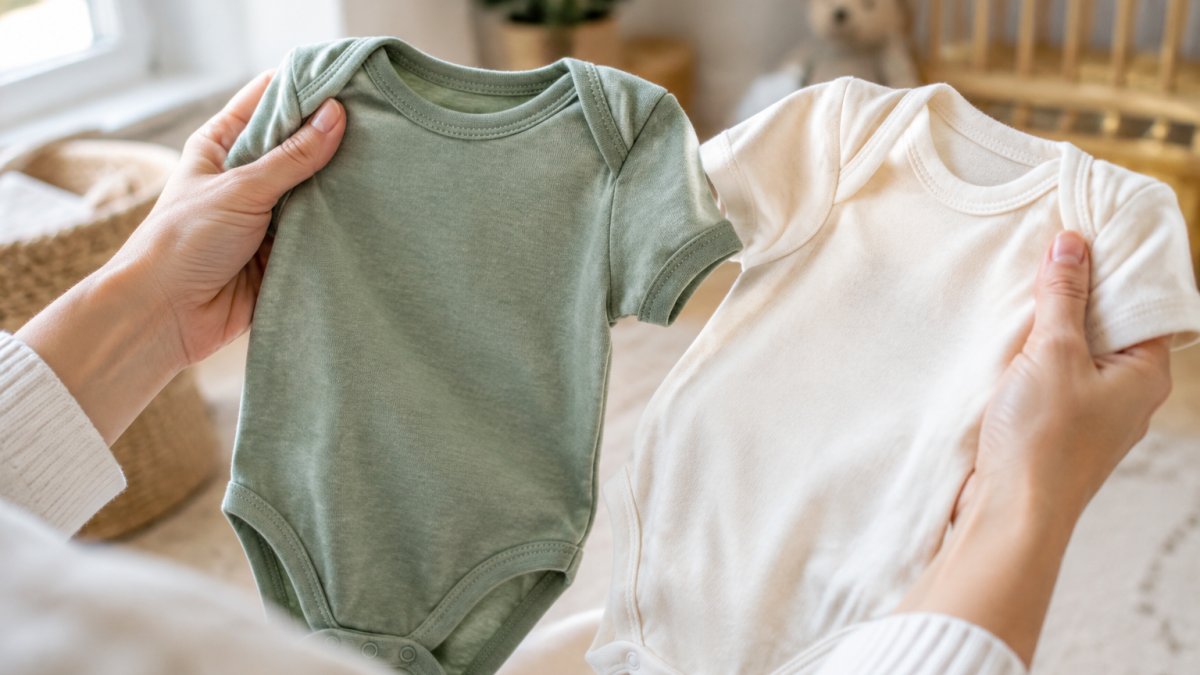
On breathability and moisture, the gap is smaller than the marketing suggests. Both fibers absorb moisture well. Bamboo viscose wicks quickly and feels cool, but it can hold moisture longer once saturated. Cotton absorbs steadily and releases moisture as it dries, which helps keep the skin barrier from staying damp.
Temperature Regulation, Sweat, and the Itch-Scratch Cycle
Cotton is not a slouch here, though. It regulates temperature neutrally and does not trap heat. For most babies, the deciding factor is fit and airflow, not the fiber label.
Is Bamboo Viscose Good for Eczema? What the Evidence Supports
For a deeper look at eczema-specific sleepwear, our guide to hypoallergenic sleepwear for babies with eczema covers fabric construction and fit in more detail.
The Best Fabric for an Eczema Baby: A Practical Decision Framework
- If your baby runs hot and sweats at night: bamboo viscose pajamas or a light sleepsack.
- If flare-ups follow friction and rubbing: smooth bamboo for daytime layers.
- If you want the lowest chemical-processing risk: certified organic cotton.
- If you wash constantly (you will): cotton holds up better over dozens of washes.
- If cost and durability matter: cotton wins on longevity.
For parents who land on cotton, our soft long-sleeve cotton bodysuit is a practical base layer, and the cotton one-piece romper keeps a wriggly baby covered without extra seams. Both are 100% cotton and easy to wash.
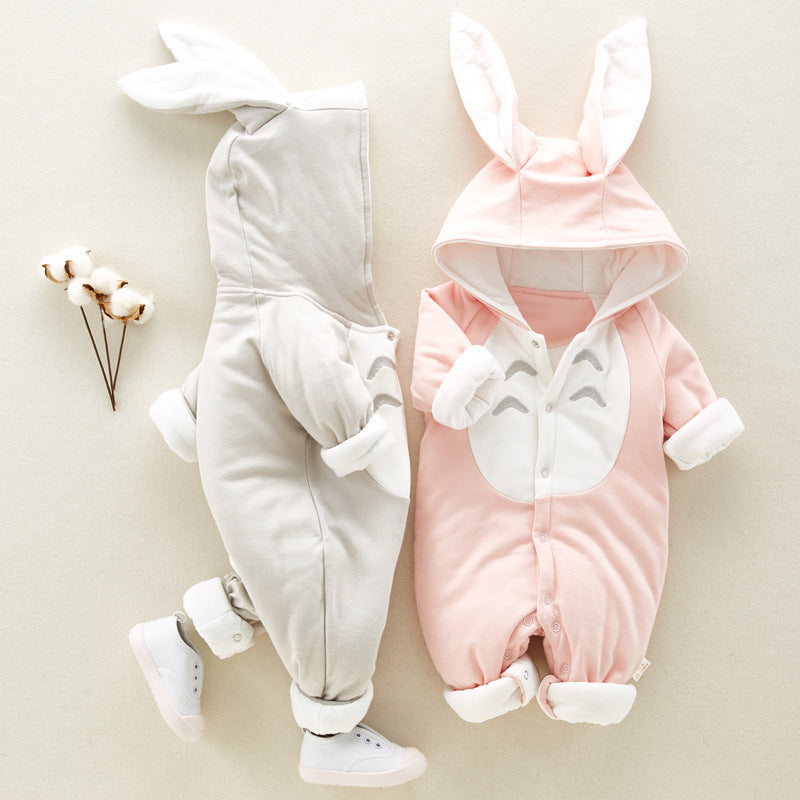
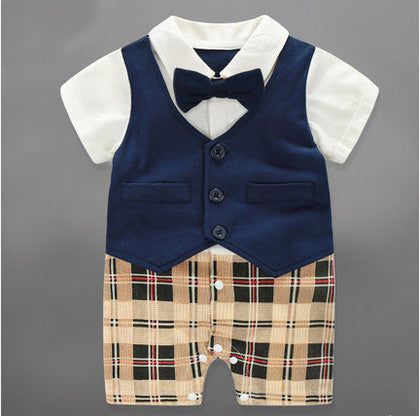
The best fabric for an eczema baby is the one that stays smooth, dry, and loose against the skin, whichever fiber you pick.
Fabrics to Avoid With Eczema and Construction Details That Matter
Some fabrics are worth skipping entirely. Wool and coarse synthetics create friction. Polyester traps heat and sweat. Blends with rough textures or heavy finishes invite irritation. Avoid anything with tight elastic cuffs, scratchy tags, or bulky seams that rub.
Construction matters as much as fiber. Flat seams, tagless labels, and a loose fit reduce the friction that starts the itch-scratch cycle. If you are building a newborn wardrobe, our step-by-step guide on selecting soft cotton outfits for newborns walks through construction checks that apply to any fabric.
How to Wash Clothes for Eczema: Detergent, Dyes, and Fabric Softener
Washing routine can undo a good fabric choice, and this is one of the areas where most shopping guides stop at "use fragrance-free detergent." The specifics matter more than the slogan.
Start With the Detergent
- Choose a fragrance-free, dye-free detergent. "Free and clear" formulas are the common label to look for.
- Skip fabric softener entirely. Softeners coat fibers with a waxy film that reduces absorbency and can trap irritants against skin. For an eczema baby, that film works against the moisture-handling properties you chose the fabric for.
- Skip dryer sheets. They deliver the same fragrance and coating problems as liquid softener.
- Measure, do not estimate. Using more detergent than the load needs leaves residue. Follow the dosing line for your water hardness and load size.
Rinse and Residue
Run an extra rinse cycle on baby clothes and bedding.
Watch out: "baby" on a detergent label is a marketing term, not a safety standard. Check the ingredient list for fragrance and dyes rather than trusting the front of the bottle.
Temperature and Cycle by Fiber
- Cotton handles hot water and a normal cycle well, which helps remove oils and manufacturing finishes. It also withstands frequent washing, which matters because eczema households wash bedding and sleepwear often.
- Bamboo viscose is more fragile. Use a gentle cycle and cooler water to limit pilling, stretching, and shrinkage. Viscose loses strength when wet, so avoid a heavy spin cycle and consider air-drying or a low tumble.
New Clothes and Dyes
Dark and saturated dyes are more likely to bleed and to bother sensitive skin, so lighter colors are a reasonable default for a baby in active flare.
A Simple Care Routine
- Sort baby items separately from heavily soiled adult laundry.
- Use a fragrance-free, dye-free detergent at the measured dose.
- Add an extra rinse.
- Skip softener and dryer sheets.
- Air-dry bamboo viscose or tumble low; cotton can take more heat.
- Store clean items away from scented sachets or cedar products.
Testing a New Fabric on Your Child's Skin Before You Commit
Before you dress your baby head to toe in a new fiber, run a controlled test. Place a small piece of the fabric against a patch of clear skin on the inner arm for a few hours, then check for redness or itching. Try one garment at a time so you can isolate what works.
Watch for changes over a full day and night. If a flare-up appears, stop and note the fabric, detergent, and fit. That record is more useful than any label claim.
Choosing between bamboo and organic cotton for an eczema baby comes down to matching the fabric to your child's triggers, not chasing the loudest marketing claim. At Tender Tots & Wellness, we stock soft, breathable cotton essentials chosen to fit a modern family's needs, with free worldwide shipping and a curated range that blends timeless elegance with modern trends. Start with a base layer, test it patiently, and build from there.
Frequently Asked Questions
Is bamboo better than cotton for eczema?
Neither fabric wins outright. Bamboo viscose feels smoother and wicks moisture quickly. Organic cotton is breathable and easy to wash hot. The deciding factors are usually how the garment is constructed, what dyes and finishes were used, and how your child's skin responds. Many parents find a blend or a rotation of both works better than committing to one fiber.
Is bamboo viscose good for eczema-prone skin?
Bamboo viscose can be a reasonable choice for eczema-prone skin because it drapes smoothly and moves moisture away from the surface. However, the viscose process involves chemicals, and residual processing agents or dyes can irritate some children. Look for garments that state the fiber content clearly, are dyed with low-impact or OEKO-TEX certified materials, and wash them before the first wear to remove any residue.
What is the best fabric for a baby with eczema?
There is no single best fabric, but the safest starting point is a smooth, breathable fiber with minimal chemical finishing. Organic cotton and bamboo viscose both fit that description.
What fabrics should people with eczema avoid?
Wool and coarse synthetic knits are common culprits because they trap heat and create friction. Polyester and acrylic blends can also hold sweat against the skin. Beyond fiber, watch for garments with stiff seams, elastic cuffs that dig in, and heavy chemical finishes or fragrances. If a fabric feels scratchy or makes your child sweat within minutes, it is worth setting aside regardless of its label.
How should eczema-friendly clothes be washed?
Wash new garments before the first wear to remove manufacturing residue. Use a fragrance-free, dye-free detergent and skip fabric softener, which leaves a film that can trap irritants. Choose a warm wash cycle with an extra rinse, and dry on low heat or line dry. Avoid overloading the machine so detergent rinses out fully, and keep a separate detergent for baby clothes if the rest of the household uses scented products.
